
Last updated November 15, 2026
 Whole-home duct cleaning
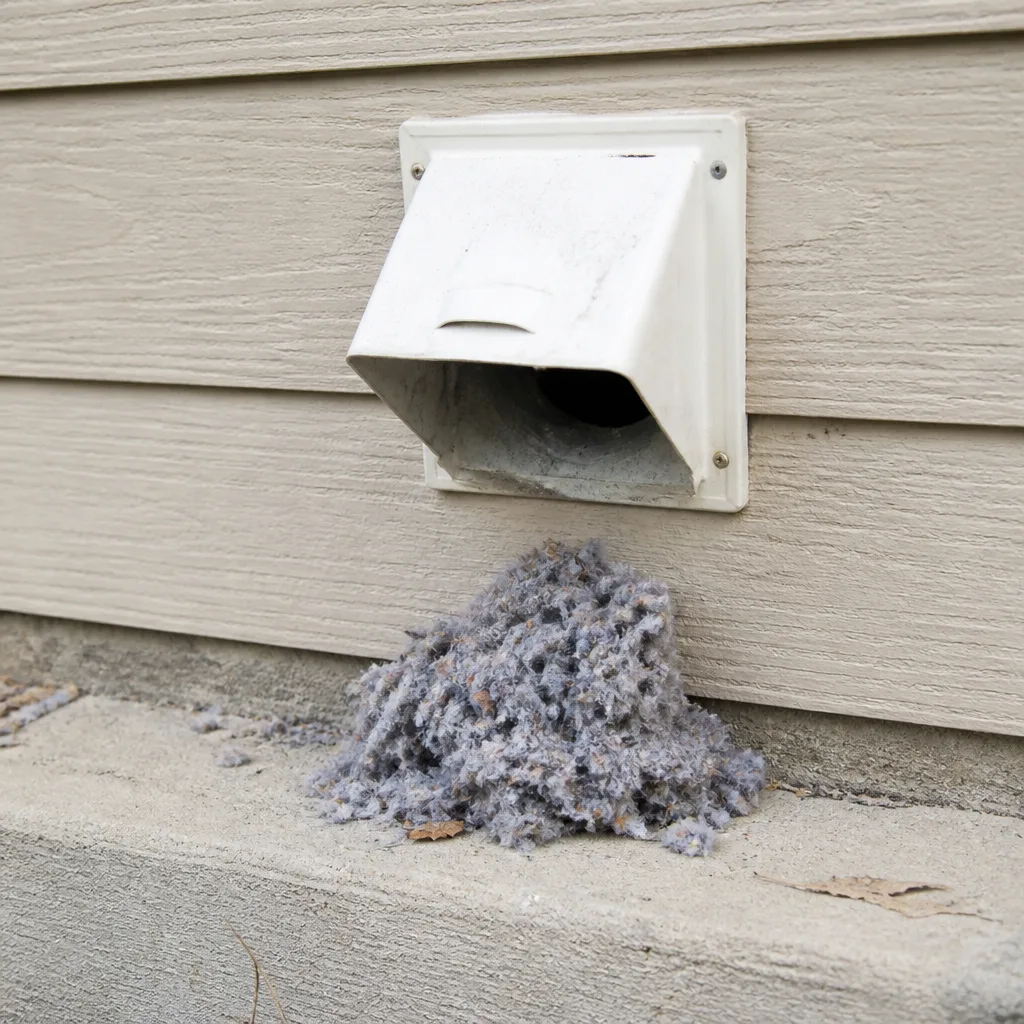 Dryer vent cleaning
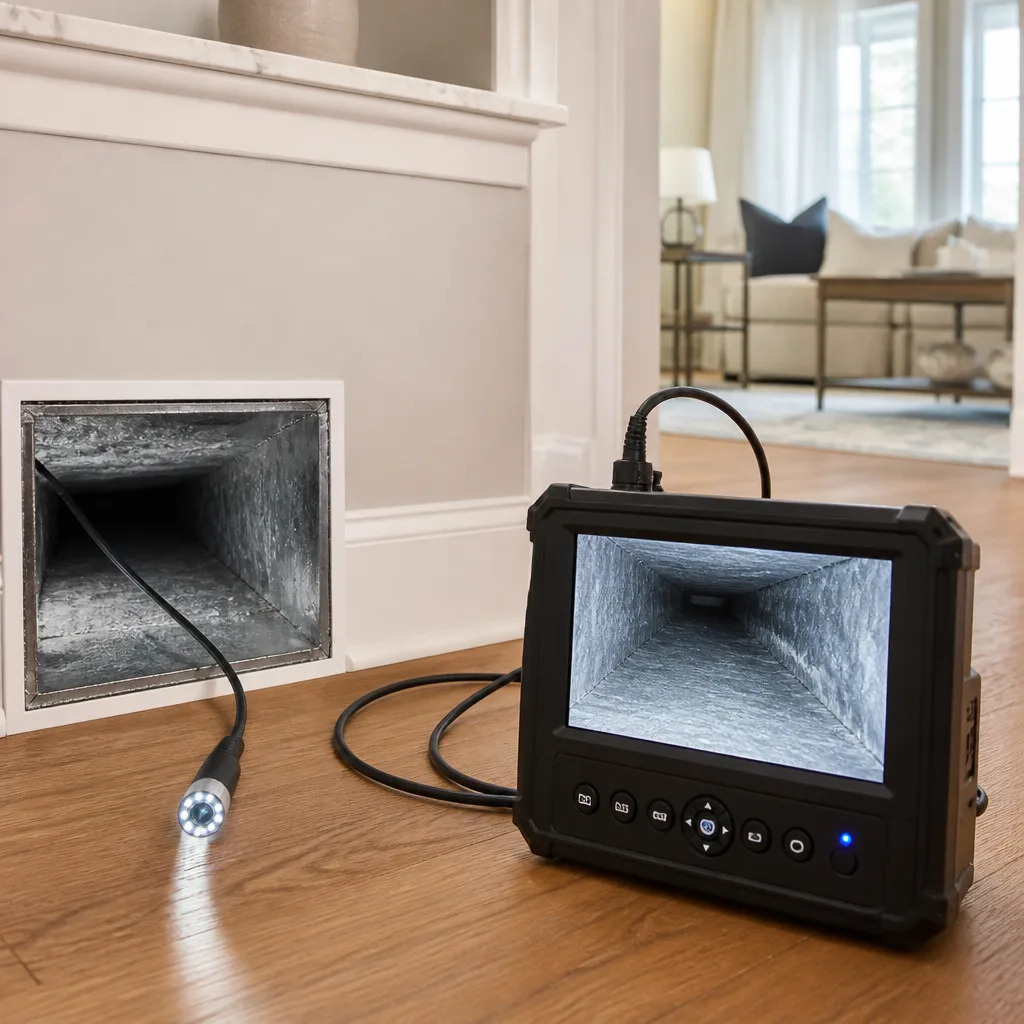 Camera inspection
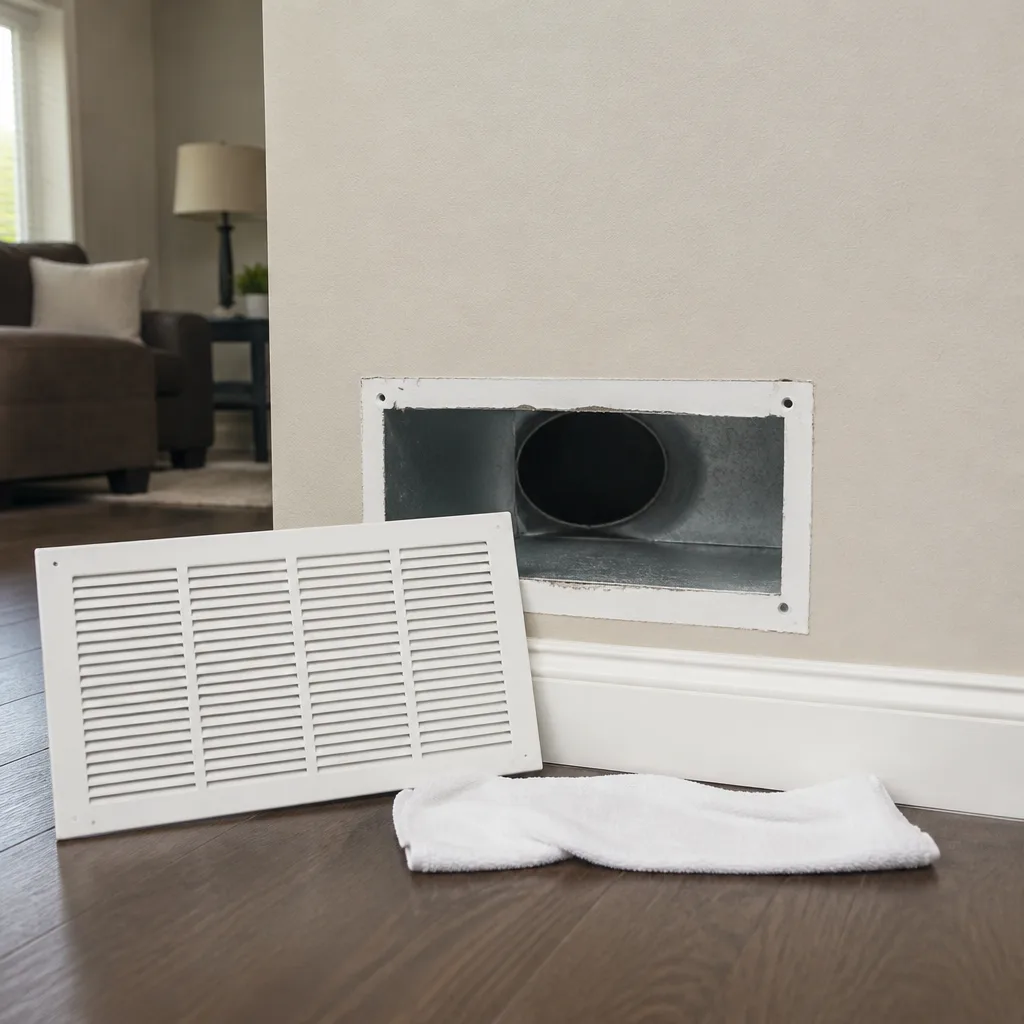 Sanitizing & deodorizing
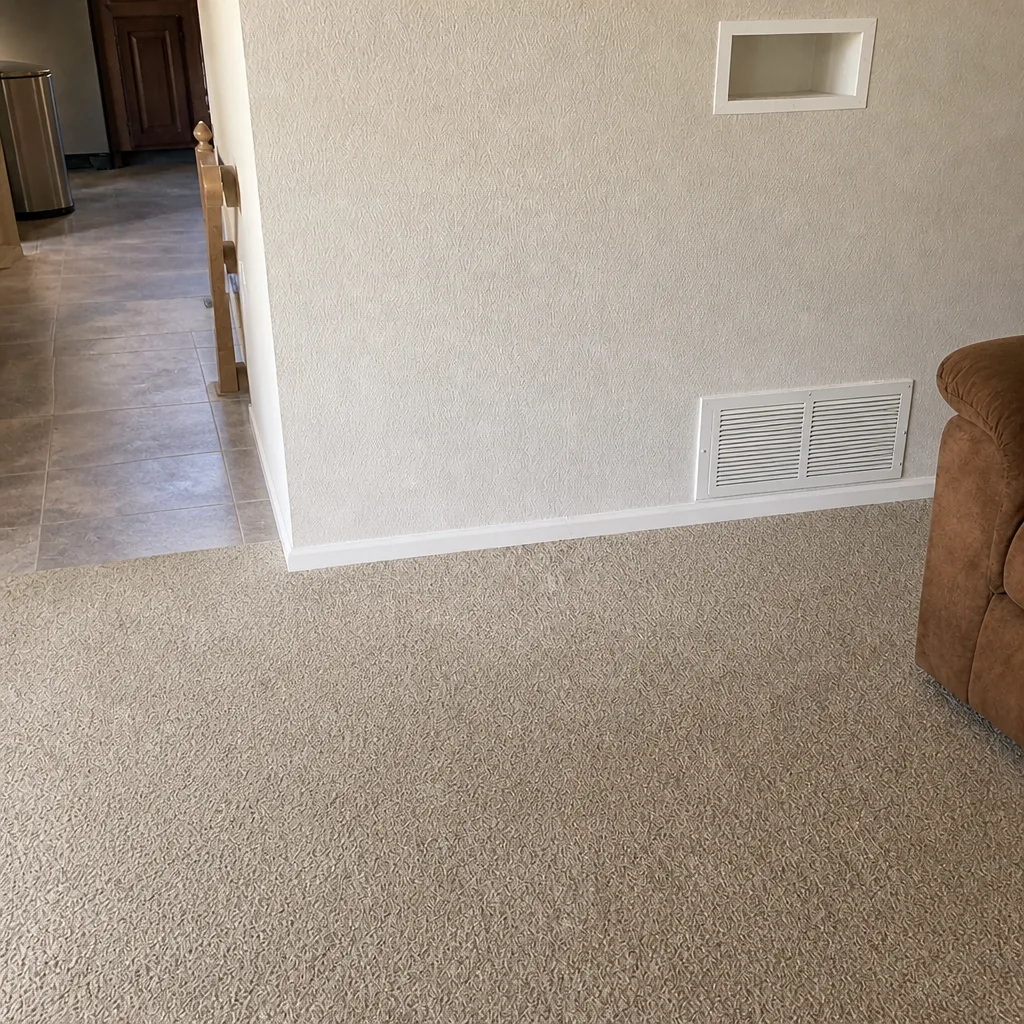
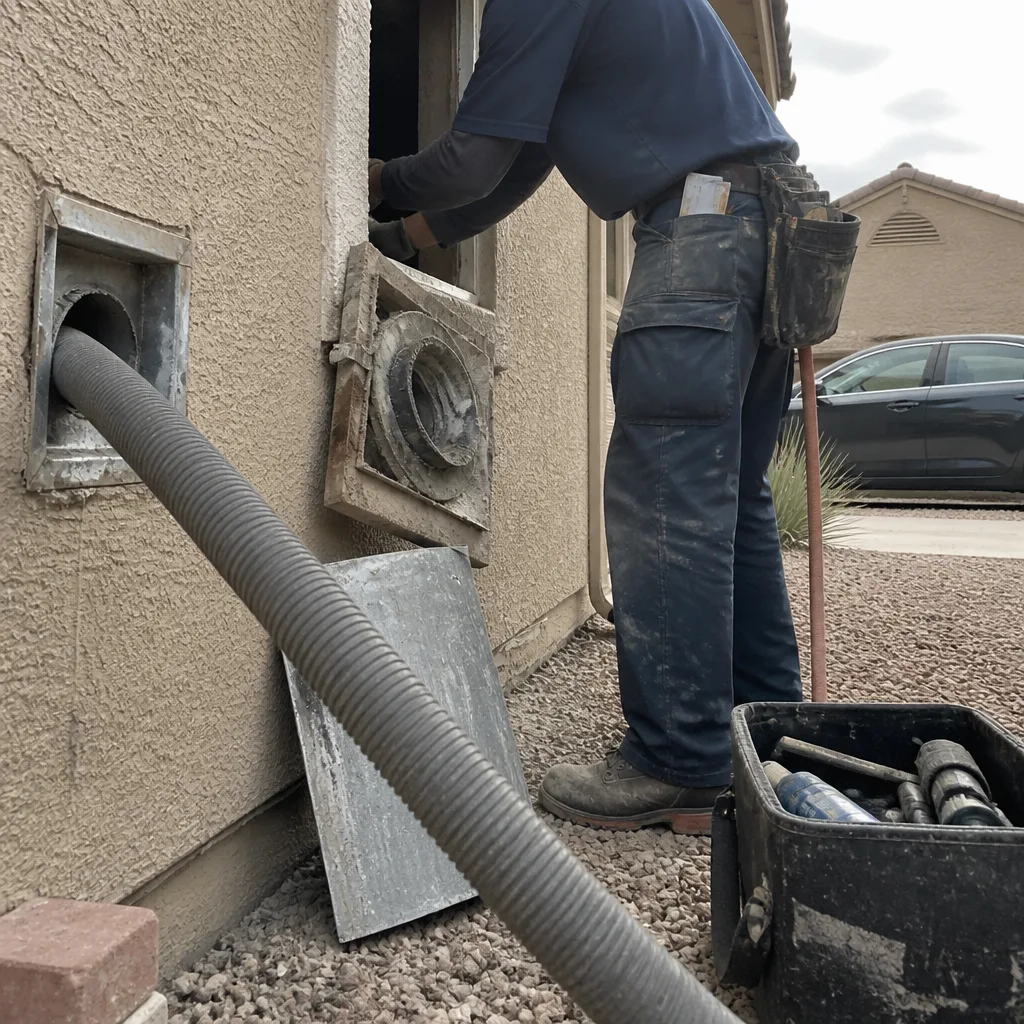
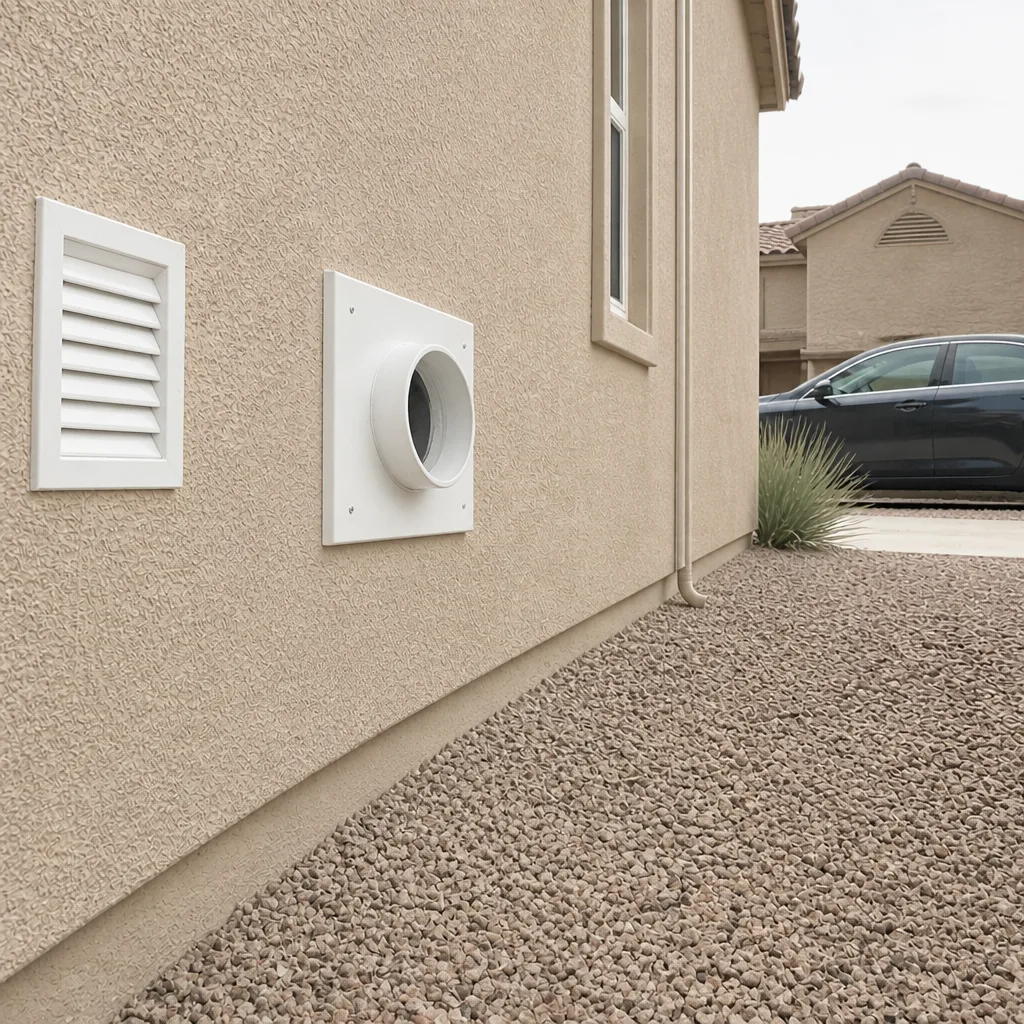
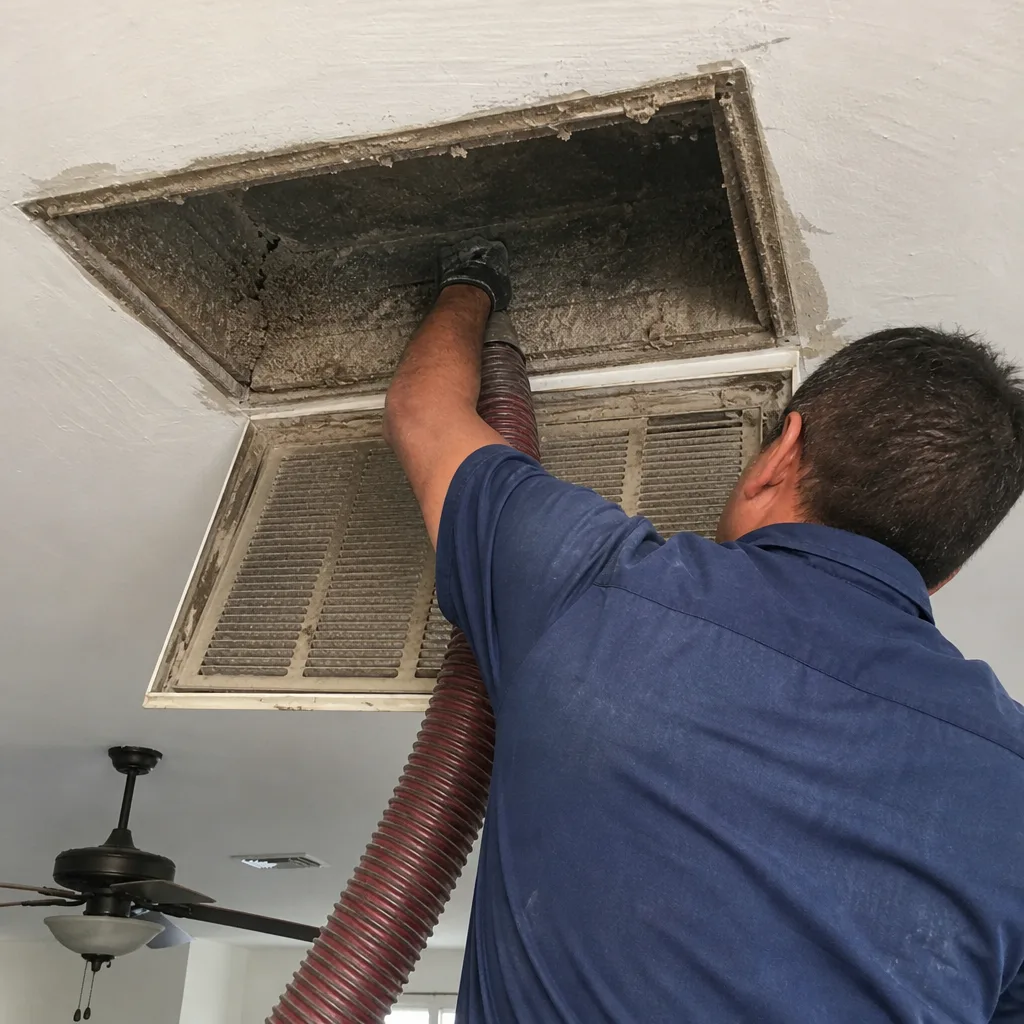
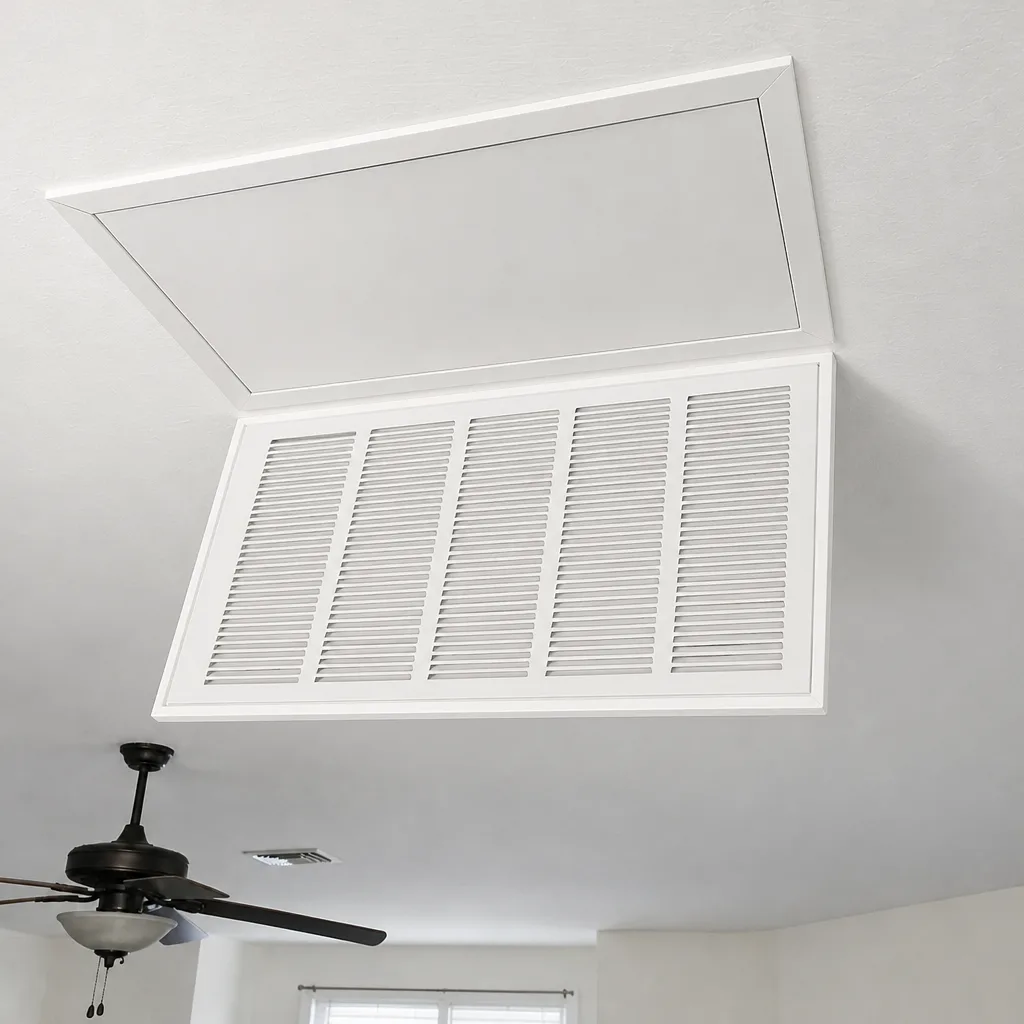
Whole-system duct and dryer vent check with before-and-after photos - you see exactly what came out of your vents
That "$99 whole-house special" is a bait ad - the real number appears once they are in your hallway, or the "clean" is a shop-vac at the register. We photograph the inside of your ducts before and after instead.
How to Hire an Air Duct Cleaning Contractor in Goodyear: A Step-by-Step Guide
The single most revealing question you can ask a duct cleaning contractor isn’t about price or experience. It’s this: “What’s the static pressure your vacuum collection unit pulls, and can you show me the equipment nameplate?” Most low-bid operators working the West Valley can’t answer it, and the ones who can are usually the ones you want in your attic. Goodyear has seen a surge of operations using residential shop-vac rigs dressed up with commercial-looking branding, so this guide gives you the specific technical questions and equipment checks that separate real contractors from cosmetic work.
Quick Answer
To hire an air duct cleaning contractor in Goodyear, ask for the equipment nameplate and CFM rating, verify the vacuum exhausts through HEPA filtration, confirm pricing is based on system complexity rather than a flat “whole house” rate, and require a pre-cleaning walkthrough that asks about pets, recent construction, and past water events. A legitimate contractor will answer every one of those questions without hesitation and put the scope in writing before touching a vent.
Styles & brands we work with
- Whole-home duct cleaning
- Dryer vent cleaning
- Camera inspection
- Sanitizing & deodorizing
Table of Contents
- Why the Static Pressure Question Reveals Almost Everything
- Equipment Benchmarks You Can Actually Verify
- NADCA Membership Is a Starting Point, Not a Guarantee
- How a Legitimate Quote Is Structured
- Local Red Flags Specific to the Goodyear Market
- What a Proper Pre-Cleaning Walkthrough Includes
- The Dryer Vent Question Most Homeowners Never Ask
- The Eight-Step Hiring Process
Why the Static Pressure Question Reveals Almost Everything
Static pressure is the force a vacuum source can maintain against resistance. Real duct cleaning equipment pulls high static pressure through a contact vacuum head placed directly on each supply and return, while a consumer-grade wet/dry vac relies on airflow volume alone. When a shop-vac meets a 20-foot trunk line, the pressure drops off and the machine stirs dust loose without ever removing it from the system. That’s the difference between cleaning and rearranging.
Ask the contractor to describe their equipment by name and type. Companies running genuine professional-grade contact-vacuum and negative-air systems will tell you plainly. Operators running a dressed-up shop vac will usually answer with adjectives instead of equipment.
Why does this matter in a Goodyear home specifically? Many of the newer subdivisions off Estrella Parkway and around Goodyear Boulevard were built tight, with sealed returns and shorter duct runs. Tight ductwork holds static pressure well, which is good news for a real machine and bad news for a weak one. A system that can’t hold pressure against resistance simply can’t pull debris out of the far branches.
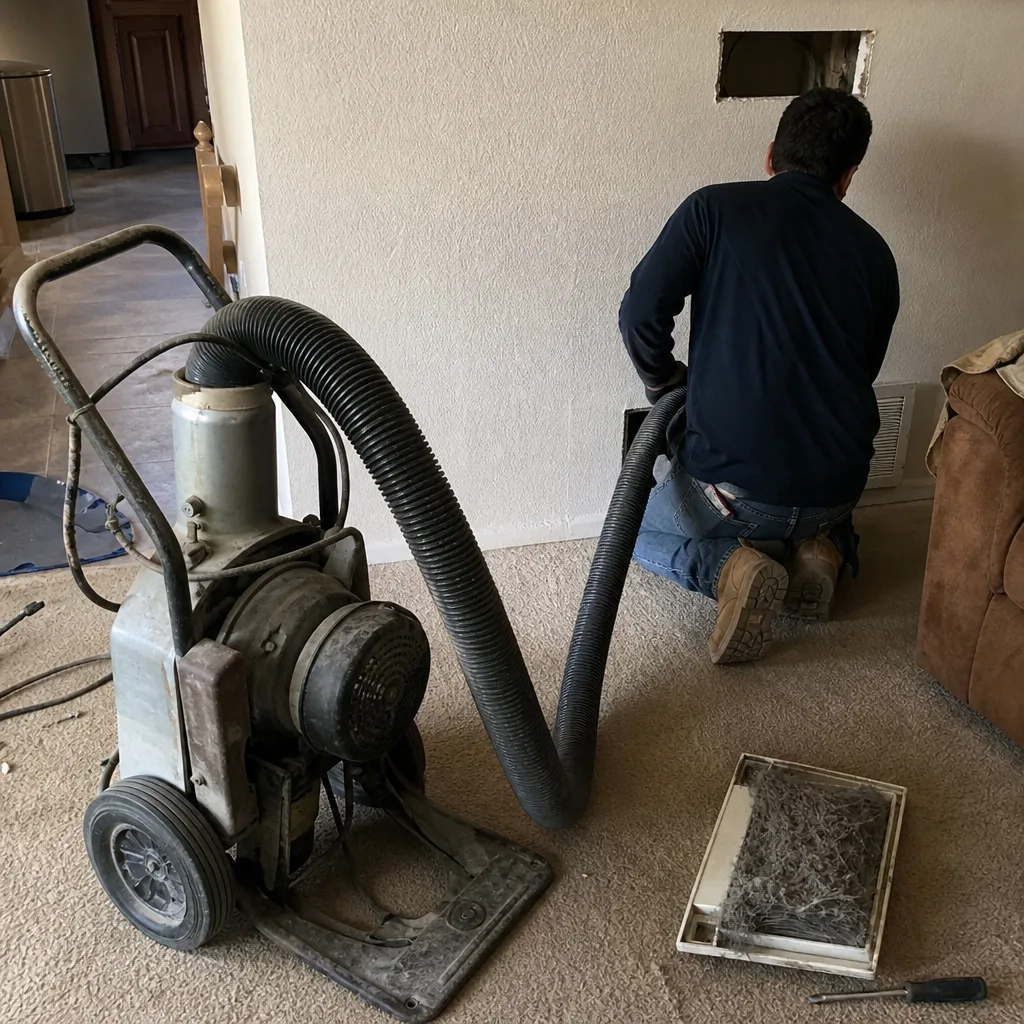
The gold standard for this work is negative-air containment: the collection unit creates lower pressure inside the duct system than in the room, and the exhaust passes through HEPA filtration so nothing migrates back into your living space. Rotobrush and Nikro systems are built for exactly this. If a contractor can’t explain negative air in plain terms, they’re not running it.
Equipment Benchmarks You Can Actually Verify
You don’t need an engineering degree to evaluate duct cleaning equipment. You need to know what to look at and what to ask. Here’s the short version.
What to look for on the equipment itself
- A manufacturer nameplate. Every legitimate collection unit has one with a model number and rated airflow. Ask to see it. A contractor who can’t show the nameplate is either running unrecognizable equipment or doesn’t want you to know what it is.
- A CFM rating that reflects commercial capability. CFM means cubic feet per minute, the volume of air the unit moves. Consumer vacuums are rated for household cleanup, not duct systems. Ask what the unit is rated for and compare it to what the contractor actually says about how it handles long trunk runs.
- HEPA filtration on the exhaust. This is the single most important feature for anyone in the house with allergies or asthma. HEPA filtration captures fine particulate before air exits the machine. If the exhaust is unfiltered, you’ve just moved the dust from the duct to the room.
- Negative-air capability. Look for a setup that puts the duct under vacuum before agitation begins, so the debris is captured at the source.
- An agitation tool that isn’t a brush on a stick. Proper cleaning requires air whips or rotary agitation that contacts the full circumference of the duct, including the corners.
The brand question
Equipment brands tell you what tier of work the company is set up for. Rotobrush is the standard name in residential duct cleaning and widely recognized in the trade. Nikro builds negative-air and HEPA equipment used in restoration work. Abatement Technologies equipment serves contamination-level jobs where mold spores, heavy allergens, or post-construction particulate are part of the picture. A company running Abatement gear is over-prepared for a typical home, which is a good sign. When a contractor tells you their equipment is “state of the art,” ask which brand. The brand is the answer.
NADCA Membership Is a Starting Point, Not a Guarantee
NADCA (the National Air Duct Cleaners Association) sets standards and offers certification, and membership in it is a reasonable baseline. But it’s a baseline, not a finish line. Plenty of companies list NADCA credentials on a website while the actual work is performed by subcontractors with consumer tools.
What matters is what happens on the job:
- Ask whether the person doing the work is the person you’re talking to, or a subcontractor.
- Ask if the company will document the cleaning with before-and-after photos, especially of the return side and the boot connections.
- Ask whether they inspect the ductwork for breaches and disconnected joints as part of the service, or only clean what’s visible.
- Ask if they carry insurance that covers damage to ductwork during the job.
- Ask what happens if they find a hole, a crushed run, or a separated joint. A company that can repair ductwork solves the problem in one visit. A company that only cleans hands you a referral and a bill.
For homeowners in Goodyear, the repair question is especially relevant. Ductwork in this market runs through attics that reach extreme summer temperatures. Attic heat put stress on flexible duct connections and joints over time. A cleaning crew that shows up, cleans, and leaves without checking for breaches may leave the actual cause of low airflow and dust intrusion untouched. When we show up to clean, we clean it, and if we find a breach, we fix it.
How a Legitimate Quote Is Structured
Good duct cleaning is priced by system complexity, not by a single whole-house rate. Here’s why. A small single-story home with two returns and eight supply registers is a different scope than a two-story home in Palm Valley with four returns, a zoned system, and a finished attic. Both are “whole house” jobs. They take completely different amounts of time and equipment setup.
A legitimate quote reflects:
- The number of supply and return runs, including the return-side access. Return runs are the ones most often skipped, and they’re the ones handling the dirtiest air.
- How accessible the ductwork is (crawlspace, attic, ceiling chases).
- What contamination the contractor found during the walkthrough.
- Whether repair work is needed.
- How long the job will actually take given equipment setup and breakdown.
What a legitimate quote does not reflect: a flat “whole house” price quoted over the phone before anyone has seen the system. Flat pricing is the classic bait-and-switch setup. The low phone number becomes a much larger invoice once the technician is in your attic, and suddenly there’s a “return cleaning surcharge” and a “heavily soiled zone fee” you never agreed to.
Ask for a written estimate before any work begins. The written estimate is the price. That’s the standard we work to, and it’s the standard you should hold every contractor in Goodyear to.
Local Red Flags Specific to the Goodyear Market
The West Valley has a busy duct cleaning market, and some of the operators in it use pressure tactics during the initial phone call. We’ve heard about all of them from homeowners. Here’s what to watch for.
The mold scare
If the first call includes a claim that your ducts “probably have mold” and the fix is an expensive add-on, that’s an upsell, not a diagnosis. Mold requires moisture, and the desert climate in Goodyear keeps indoor humidity relatively low most of the year. A contractor claiming mold without a visual inspection is guessing. A legitimate contractor will inspect the system and report what they actually find.
The UV system pitch
UV-C lights in the airstream serve a specific purpose, but they’re a separate product from duct cleaning, and they don’t do what a cleaning does. If a contractor pitches a UV system before anyone has been to the house, they’re running a sales script, not an HVAC assessment.
The “we’re in your neighborhood today” call
Legitimate duct cleaning is scheduled. It’s not a service that gets routed through a neighborhood on short notice the way some pest control or driveway sealing operations work. A call that says they happen to be nearby and can stop by in 20 minutes is a red flag.
The coupon price with a phone-quoted upcharge
Any coupon figure that is different from what you’re quoted on the phone is different from what you’ll be billed on-site. Real contractors don’t quote a headline number and then add line items as work is discovered. They quote the scope after seeing it.
The vibrating consumer vacuum in the driveway
If you can hear the vacuum from the curb and it sounds like a household appliance, it is one. Walk away before work starts.
What a Proper Pre-Cleaning Walkthrough Includes
A contractor who shows up, walks past the registers, and starts setting up equipment has skipped the scope assessment. That step isn’t optional, because it’s how a contractor learns what they’re actually dealing with. A proper Goodyear walkthrough should include, at minimum:
- A visual inspection of accessible ductwork at supply and return boots, and through any access panels into the trunk and branch lines.
- Questions about recent construction or remodeling. Drywall dust and construction particulate settle into ductwork and need a different approach than standard dust removal.
- Questions about pets. A home with two dogs or cats generates significantly more hair and dander than a home without. Hair collects at elbows and boots and requires agitation to remove.
- Questions about past water events like roof leaks, plumbing failures, or AC condensate overflow. Water intrusion into a duct system is the one scenario where contamination becomes a real concern.
- A check of every return to confirm access. Returns handle the dirtiest air in the system and skipping them means the job isn’t complete.
- A conversation about the filter and the air handler to note anything that affects the scope.
- A written estimate before work begins.
If a contractor skips the questions about construction, pets, or water history, they aren’t doing a scope assessment. They’re doing a sales pitch. That’s the moment to end the conversation and call someone else.
The Dryer Vent Question Most Homeowners Never Ask
While you have a duct contractor at the house, ask about the dryer vent. Dryer vent lint buildup is one of the leading causes of residential fires, and a clogged vent is a documented hazard, not a mild inconvenience. Most duct cleaning contractors don’t mention it, because it’s a separate service they’d rather not touch.
A company that offers dryer vent cleaning as a standalone service, in addition to air duct work, gives you one contractor for two related tasks instead of two appointments with two different companies. In the middle of a Goodyear summer, when attic temperatures are already punishing, consolidating that work is worth arranging.
Ask the contractor how they clean the vent: a brush through the run, or just a shop vac at the exterior termination. A proper dryer vent cleaning runs the full length of the vent run with a rotary brush and confirms airflow at the exterior termination. If the vent is crushed or disconnected (which happens where vents terminate behind the dryer or under a slab), that needs to be repaired, not just cleaned.
At the same time, ask whether the ductwork in the home is intact. A duct system with a crushed run, a sagging flex duct, or a disconnected joint isn’t a cleaning problem, it’s a repair problem. When we show up to clean and find a breach, we fix it. That’s why our scope is three services and not one: cleaning, dryer vent work, and air duct cleaning repair, all handled by the same team.
The Eight-Step Hiring Process
Here’s the full sequence, from first call to signed estimate. Print it out. It’ll save you a wasted afternoon.
- Search locally and cross-reference. Look for contractors serving Goodyear and check reviews on more than one platform. Focus on reviews that describe the equipment and the process, not just the price.
- Call and ask about equipment by name. “What system do you run?” The answer should name a brand (Rotobrush, Nikro, Abatement Technologies) and describe negative-air containment. If the answer is “a top-of-the-line HEPA system” with no brand, ask which one.
- Ask for the nameplate and a CFM rating. If they can’t answer or won’t, that’s the answer.
- Ask how returns are handled. Every return should be on the cleaning list. Not just the supply registers.
- Ask how quotes are structured. Per-system complexity, or a flat “whole house” rate? The former is a legitimate quote. The latter is a setup for an upcharge.
- Ask about repair capability. If a breach is found during cleaning, can they repair it? If not, you’ll be paying for a cleaning that misses the root problem.
- Schedule a walkthrough. Confirm what the contractor will inspect and what questions they’ll ask. A quick, pat assessment is a red flag.
- Get the written estimate and read the scope. The written estimate is the price. Confirm before-and-after photos are part of the deal, and that the scope includes the returns and the boots.
We answer 24/7. Fast dispatch from 7am to 7pm, Sunday through Friday, and estimates are free. If you want to run through any of these questions with someone who’ll actually answer them, call (844) 287-2528.
Common Mistakes to Avoid
- Hiring from a phone quote without seeing the system. A price quoted before anyone has looked at your ductwork is a guess, and usually a low one meant to get a technician in your door. The real price appears on the invoice.
- Treating NADCA membership as a complete credential. Membership in the national association is a signal of seriousness, but it doesn’t tell you who will physically do the job or what equipment they’ll bring. Ask those questions directly.
- Accepting the “whole house” flat rate. A flat rate almost never includes return-side cleaning, which is the half of the system handling the dirtiest air. Ask what the flat rate actually covers.
- Letting a contractor clean without a walkthrough. A proper scope assessment includes questions about pets, recent remodeling, and past water events. If a contractor skips these, they haven’t scoped the job.
- Believing a mold claim made before inspection. Goodyear’s dry climate keeps indoor humidity low through most of the year, so a mold diagnosis over the phone is a guess. Mold requires moisture, and it requires visual confirmation.
- Not asking about the dryer vent. A duct contractor on-site who doesn’t mention the dryer vent is missing a documented fire hazard in the home. Ask about it.
- Paying before you see the photos. Before-and-after photos of your own ductwork, including the return side, are proof the work was done. Ask for them before settling the bill.
See the difference
 Before
 After
 Before
 After
 Before
 After
When to Call a Professional
Some duct work is a scheduled job; some is a call-now situation. If you’re seeing dust drift from supply registers right after the air handler cycles, that’s a sign the ducts are loaded and the register is pushing particulate loose. If the airflow from one side of the house is noticeably weaker than the other, that’s a sign of a crushed or disconnected run, and cleaning isn’t going to solve it. If your energy bills rose sharply without a change in usage, restricted ductwork may be part of the picture. If anyone in the house has a chronic cough, allergy, or asthma, and the home has never had a professional cleaning, that’s worth scheduling. If you can see lint buildup at the dryer vent exterior, that’s a fire-safety call.
If any of these match what you’re seeing, Duct Cleaning Goodyear offers free estimates in Goodyear. Call (844) 287-2528. We answer 24/7. Fast dispatch from 7am to 7pm, Sunday through Friday.
Frequently Asked Questions
Typical residential duct cleaning in the Goodyear area runs as a per-system estimate, not a per-vent price, and the written estimate you receive before work begins is the final price. Pricing is based on the number of supply and return runs, ductwork accessibility, and any contamination found during the walkthrough. Call (844) 287-2528 for an exact quote. Estimates are free.
Cheap quotes are usually based on a consumer-grade shop vac with commercial-looking branding, and the work is cosmetic rather than complete. A contractor quoting a low flat rate over the phone hasn’t seen your ductwork, which means the invoice will grow once they’re in the attic. Ask for the equipment nameplate and the CFM rating before you accept any quote. The answer tells you which tier of work you’re being quoted. Call (844) 287-2528 and we’ll walk you through exactly what a real quote covers.
Before-and-after photos of your own ductwork, including the return side and the boot connections, are the proof. A contractor who won’t produce them hasn’t done a documented job. Ask for photos as part of the estimate, before you book. Call (844) 287-2528 to discuss what documentation you’ll receive.
Most homes don’t need it on a fixed schedule. Homes with pets, recent remodeling, or household members with allergies tend to need it more often than homes without. If you’ve had a water event or moved into a home with unknown duct history, a first cleaning is worth scheduling regardless of when the previous one happened. Call (844) 287-2528 and we’ll help you think through the frequency that makes sense for your household.
Yes, in two ways. Desert dust is fine and easily airborne, so it loads ductwork faster than the dust in more humid climates, and the long cooling season in Goodyear means the system runs more hours per year than in most of the country. Both push ductwork toward cleaning sooner. Call (844) 287-2528 to talk through what your system has been through.
Yes. Air duct repair is one of our three services, alongside dryer vent cleaning and air duct cleaning. When a crushed run, disconnected joint, or sagging flex duct is found during the walkthrough or the job, we fix it in the same visit instead of handing you a referral. Call (844) 287-2528 to confirm your scope.
The Bottom Line
Hiring a duct cleaning contractor in Goodyear comes down to a handful of questions asked before anyone touches a vent. Ask for the nameplate and the CFM rating. Confirm negative-air containment and HEPA filtration on the exhaust. Ask how quotes are structured and push back on flat whole-house rates that skip return-side cleaning. Insist on a walkthrough that covers pets, construction history, and water events. Ask about the dryer vent while you’re at it, and confirm repair capability so a breach found during cleaning gets fixed in the same visit. The contractor who answers every one of these questions with specifics is the one to hire. The one who deflects is the one to skip.
If you’re ready to get a real estimate for your Goodyear home, call Duct Cleaning Goodyear at (844) 287-2528. We answer 24/7. Fast dispatch from 7am to 7pm, Sunday through Friday. Estimates are free, the written estimate sets the price, and before-and-after photos of your own ducts are part of the job.
Written by the team at Duct Cleaning Goodyear.