
Last updated November 15, 2026
 Whole-home duct cleaning
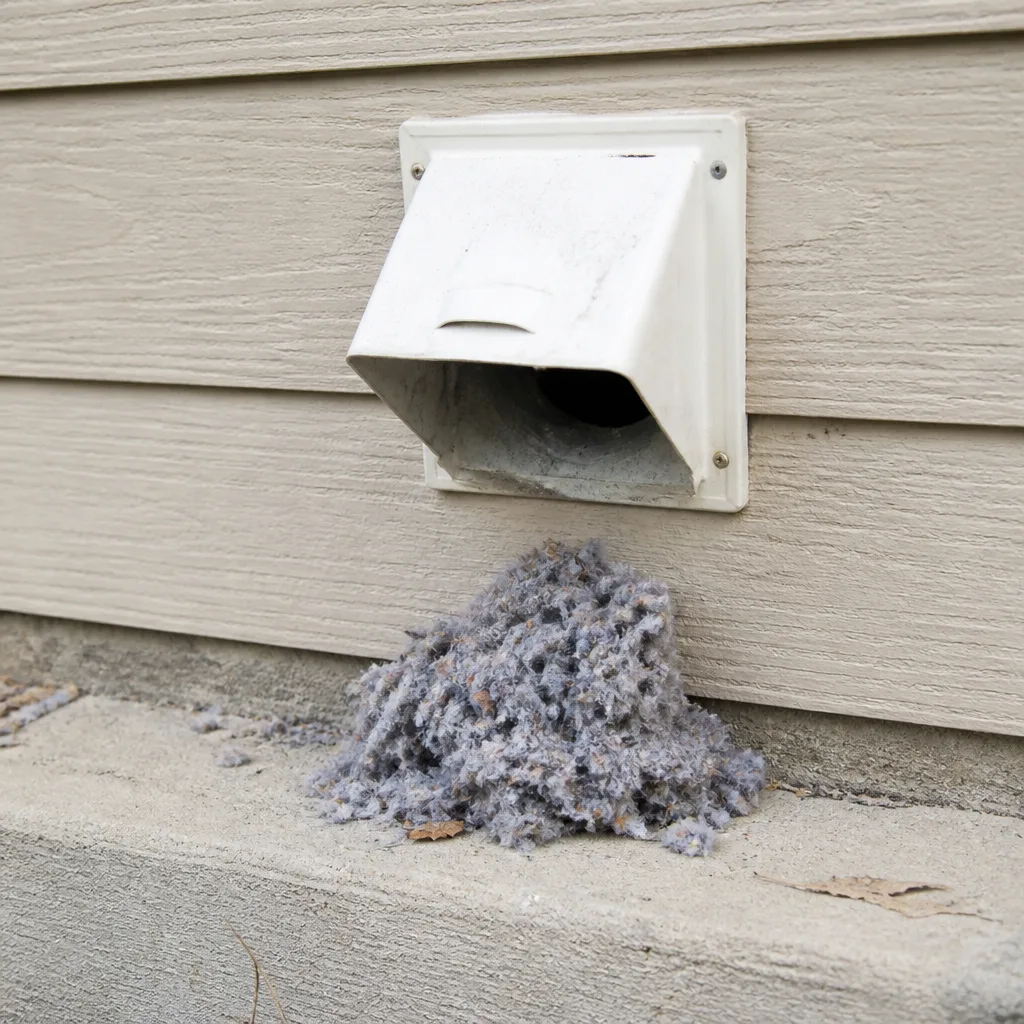 Dryer vent cleaning
 Camera inspection
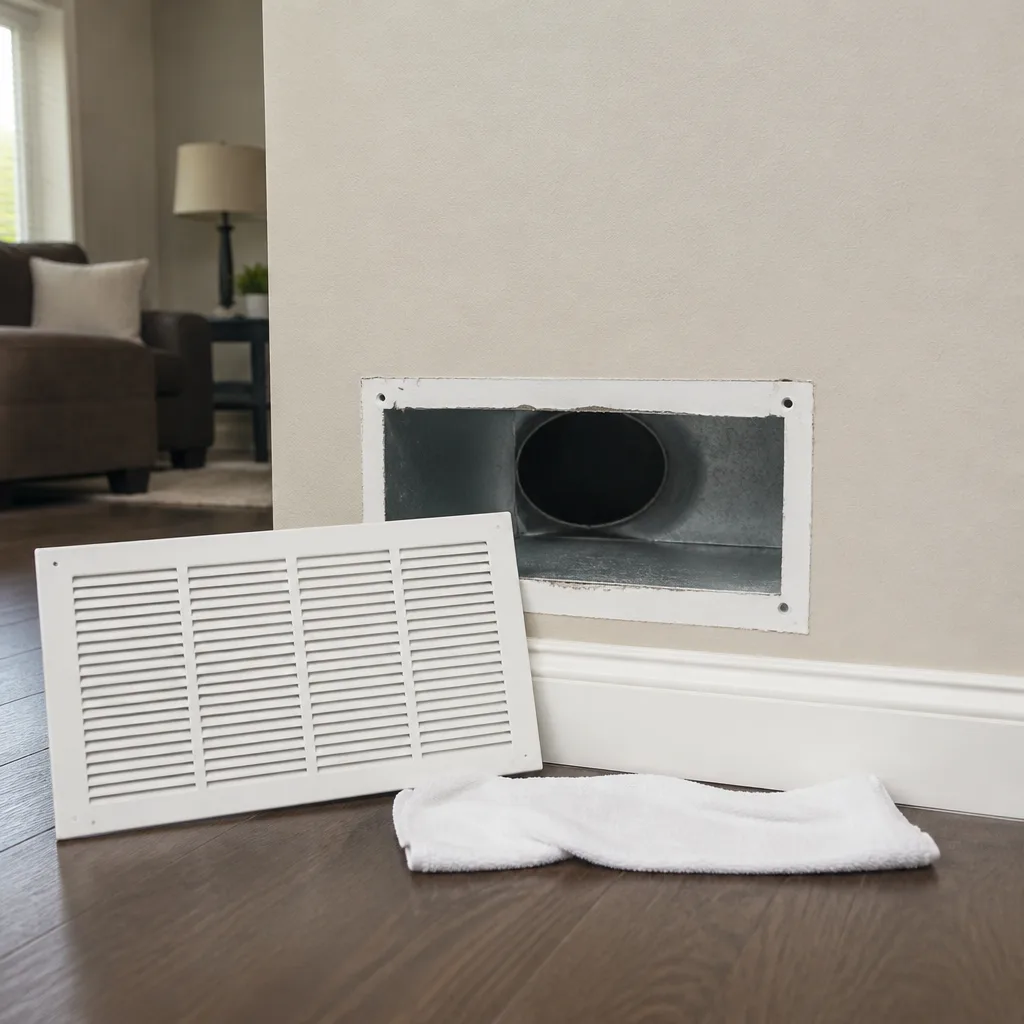 Sanitizing & deodorizing
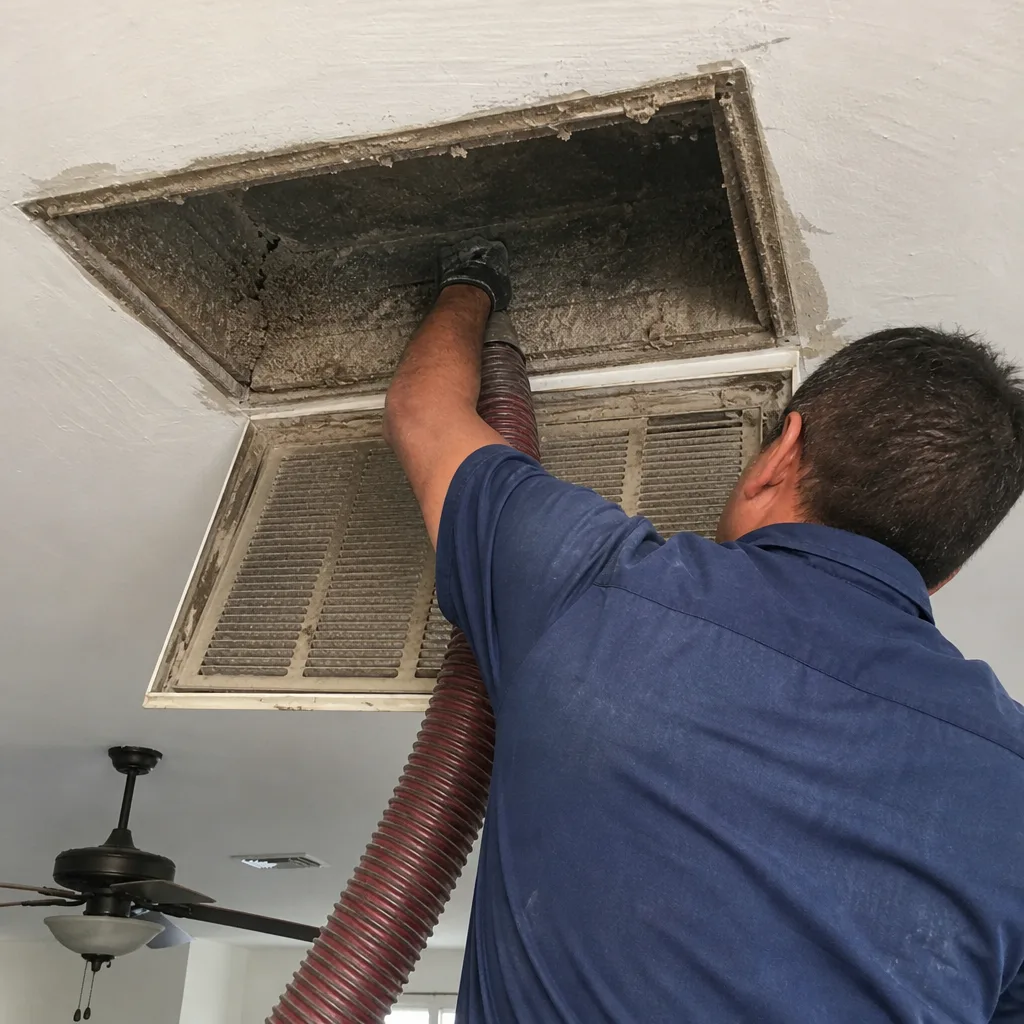
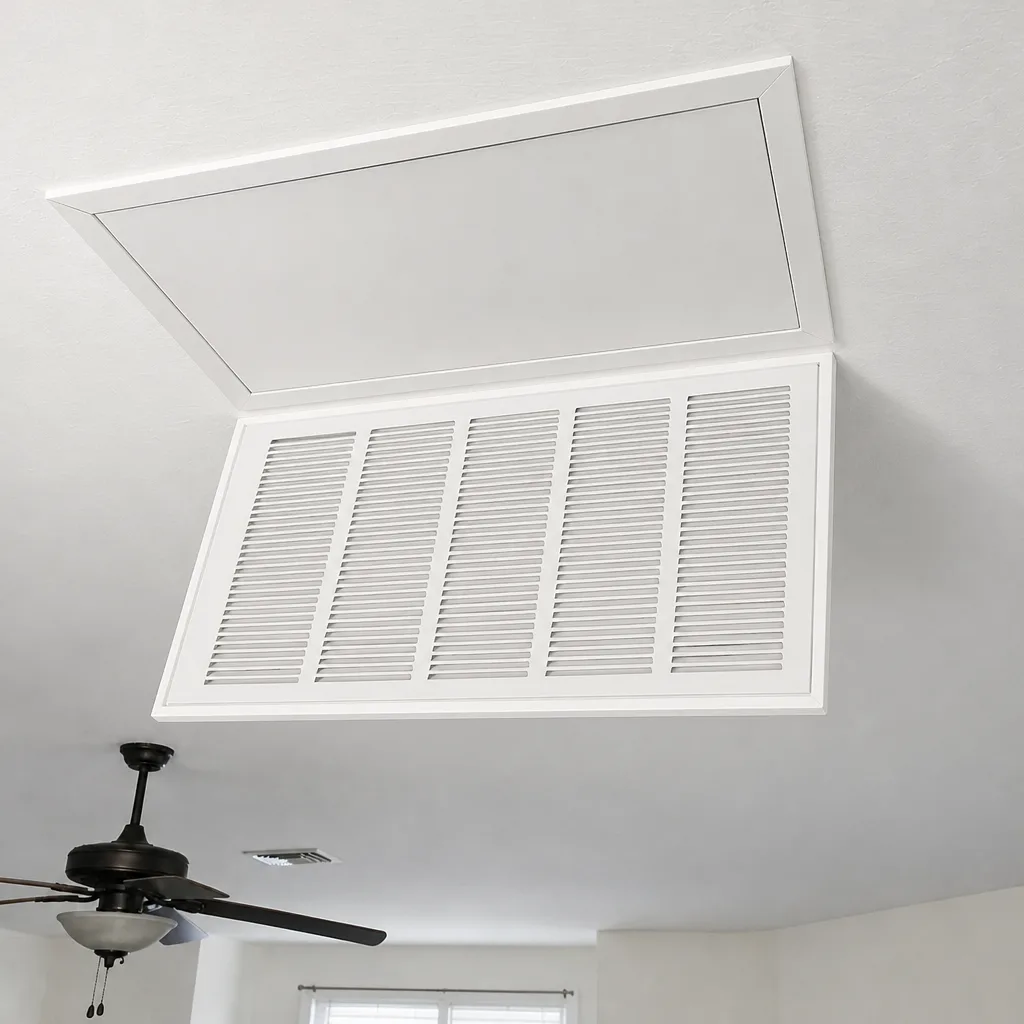
Whole-system duct and dryer vent check with before-and-after photos - you see exactly what came out of your vents
That "$99 whole-house special" is a bait ad - the real number appears once they are in your hallway, or the "clean" is a shop-vac at the register. We photograph the inside of your ducts before and after instead.
Seasonal Air Duct Cleaning Care for Goodyear: Year-Round Homeowner’s Guide
Most duct cleaning advice assumes a four-season climate: spring thaw, summer cooling, fall leaves, winter furnace. Goodyear doesn’t work that way. Our year has three HVAC stress phases – a pre-summer load ramp, a monsoon humidity window, and a mild-winter low-use stretch – and each one leaves a different signature inside your ductwork. Scheduling a cleaning in October is a bit like changing your oil after a long road trip instead of before it: the system has already done the heavy work and is coated with what that work left behind. This guide lays out what actually happens inside Goodyear ducts across all twelve months, and how to build a cleaning rotation that matches the real rhythm of a desert-suburb home.
Styles & brands we work with
- Whole-home duct cleaning
- Dryer vent cleaning
- Camera inspection
- Sanitizing & deodorizing
Quick Answer
The best time to schedule air duct cleaning in Goodyear is March through April, before the cooling system begins its maximum-runtime season, with a follow-up assessment in October or November after monsoon humidity and heavy summer use. Not every Goodyear home needs annual cleaning – a multi-year rotation driven by runtime hours, pet and allergy load, and any humidity intrusion is more accurate than a fixed calendar.
Table of Contents
- Why Goodyear Doesn’t Have Four Equal Seasons
- March-April: The Highest-Value Cleaning Window
- May: The Load Ramp and What It Reveals
- June-September: What Monsoon Moisture Does Inside Ducts
- October-November: Post-Summer Assessment
- December-February: Low-Runtime Inspection and Sealing
- Building a Multi-Year Rotation
- The Dryer Vent Calendar Nobody Talks About
- Common Mistakes to Avoid
- When to Call a Professional
- Frequently Asked Questions
- The Bottom Line
Why Goodyear Doesn’t Have Four Equal Seasons
Walk into a home in Goodyear in mid-July and the air conditioner has likely run nearly without pause for weeks. Walk into the same home in January and that same system may run only a few hours a day. The runtime math matters because duct contamination is largely a function of air volume moved. A system moving thousands of cubic feet per minute for months on end pushes far more particulate through the return plenum and supply trunk than one sitting largely idle.
That runtime curve in Goodyear isn’t flat across the year, and it isn’t equal across four seasons either. It looks more like three phases:
- Pre-summer load ramp (roughly March through May): runtime climbs steadily from mild-winter lows to peak cooling demand.
- Monsoon humidity window (roughly June through September): peak runtime coincides with the one stretch of the year when outdoor humidity rises meaningfully.
- Mild-winter low-use (roughly October through February): runtime drops sharply, with October and November still carrying residual post-summer dust load before the system quiets down.
Treating these three phases identically wastes money, and worse, it means the highest-value cleaning window usually gets skipped. The Goodyear climate rewards timing, not frequency for frequency’s sake. If you’ve ever wondered why the same “clean your ducts every year” advice repeats itself on every website without explaining why, it’s because most of those pages were written for a climate that doesn’t look like ours.
March-April: The Highest-Value Cleaning Window
March and April are, in our experience, the single most valuable months to clean ducts in Goodyear. The reason is straightforward: whatever dust, dander and particulate accumulated over the mild winter is sitting in the system right before the cooling season kicks into high gear. Cleaning in March clears that load before the system starts pushing it around thousands of times a day for the next five months.
Compare that to the common habit of cleaning in late fall. By October, the system has already run its longest hours. The cleaning happens after the dust has moved. It’s better than nothing, but it’s not the highest-value timing.
What typically shows up in a March-April cleaning in Goodyear homes:
- Winter dust settling: low-runtime months let fine dust settle into horizontal duct runs and plenum surfaces rather than stay suspended.
- Pet and dander accumulation: a mild winter means most Goodyear homes keep the system running intermittently, which means pet hair and dander keep entering the return – slowly, but steadily.
- Return plenum dust load: the return side usually carries the heaviest visible dust concentration after a quiet winter.
- Occasional wind-blown particulate: spring wind events push fine dust into the outdoor air that finds its way into filters and, past them, into the system.
If you’re going to pick one month of the year for a full system cleaning in Goodyear, pick one in this window. That’s the timing that pays back over the following five months of maximum runtime.
May: The Load Ramp and What It Reveals
May is where duct problems start showing symptoms. The system is ramping from mild-winter use to full cooling demand, and anything marginal becomes obvious. If the ducts have a small leak, a separated flex run, or a sealed-then-reopened joint, May tends to surface it as uneven cooling, dust streaks at registers, or a room that just won’t hold temperature.
This is also the right month for a pre-summer air duct cleaning if March or April didn’t work out. Cleaning in mid-May clears the system just before the first sustained 100-degree stretch and gives you a full summer of cleaner air.
What we look for during a May visit:
- Register dust streaks – visible dust trails on or around supply registers suggest dust is being pushed past seals.
- Uneven room temperatures – one room running warmer than others while the AC is at full load often points to a duct issue, not an equipment issue.
- Filter bypass – filters that don’t seal properly let particulate past them and into the coil and ducts.
- Loose flex connections – common in attic runs and easy to spot on inspection before summer heat bakes everything.
A proper inspection in May uses a contact-vacuum system like a Rotobrush to check interior surfaces, plus negative-air equipment to verify what’s actually in the runs. Shop-vac shortcuts don’t reveal duct condition because they don’t pull at the pressures needed to move settled dust. The professional-grade gear does.
June-September: What Monsoon Moisture Does Inside Ducts
Monsoon season doesn’t flood ducts. It changes the physics inside them. When outdoor humidity climbs sharply for weeks at a time, the interior of a duct system – especially in unconditioned attic space – can see higher moisture levels than at any other time of year. Dust that’s been sitting dry all spring starts to cake differently. Light dust that once moved with airflow can settle more stubbornly. In the worst cases, prolonged moisture exposure on organic dust creates conditions that favor microbial growth.
For most Goodyear homes, monsoon humidity never reaches that threshold. Attics get warm, the system runs hard, and interior ducts stay dry enough. But there are specific warning signs worth watching for:
- Musty or earthy smell at registers after the system starts cooling in the afternoon – a common early signal of moisture-related growth in the duct or plenum.
- Visible moisture on attic duct insulation – condensation on the outer jacket of flex duct, which can indicate a failure in the vapor barrier.
- Condensate pan overflow or persistent AC drain line issues that push moisture into nearby duct surfaces.
- Recent roof leak or attic moisture event – any water intrusion in the attic that could have contacted duct insulation.
If any of these show up, we treat it as a contamination-level situation. Abatement Technologies equipment is on hand for exactly this kind of work – HEPA filtration and negative-air setups used in remediation projects, brought into a residential job. It’s over-prepared for a typical Goodyear home, but it’s the right equipment when moisture has had an effect.
One important caveat: monsoon moisture in ducts is not a DIY diagnosis. If you smell mustiness or see attic moisture, get a professional assessment before running the system back to full use.
October-November: Post-Summer Assessment
By October, a Goodyear cooling system has often processed thousands of hours of runtime across the summer. What that looks like inside a flex duct system depends on the home, but certain patterns are common:
- Visible dust lining on flex duct interior walls, especially on return runs and the supply trunk closest to the air handler.
- Dust adhesion on the evaporator coil face, which reduces airflow and cooling efficiency if it’s heavy enough.
- Dust in floor and ceiling boots, especially in rooms with heavy traffic or pets.
- Fine dust streaks at registers that weren’t there in May.
October and November are the right months for a post-summer assessment. This is where we can tell a homeowner honestly whether the system needs a full cleaning this year, a targeted spot cleaning, or whether it can wait another year. It’s also the right moment to check the filter – a filter that’s been in since May has probably been loaded for months and is a big contributor to what’s sitting downstream.
For homes with kids or pets, October is often the month that tips a borderline system into “clean it now” territory, because the summer load finally shows up as visible dust at the registers. If you’re seeing that, don’t put it off until spring. Late fall is still a reasonable cleaning window in Goodyear; it just isn’t the highest-value one.
Property managers handling rentals in Goodyear should treat October as the annual documentation month – a written pre/post report with photos is the clearest evidence for the owner that the work was done to standard.
December-February: Low-Runtime Inspection and Sealing
Goodyear’s winter is mild enough that most homes run the system intermittently. That’s exactly what makes December through February the ideal stretch for repair work that would otherwise disrupt cooling season: sealing leaks, reconnecting loose flex runs, replacing damaged duct sections, and adding access points where needed.
We clean it, and if we find a breach, we fix it. That combination matters in the winter window because duct repair is easiest to schedule and least disruptive when the system isn’t carrying full summer load. Homes with a cracked flex boot, a sagging duct run, or a joint that’s pulled apart can be repaired in January without any risk of losing cooling capacity mid-summer.
Winter is also the right time for a duct-to-filter compatibility check. If you’re considering a whole-home filtration upgrade, the winter lull is when we can look at whether your existing return plenum and air handler can support a Honeywell or Aprilaire system properly. These brands design filtration and humidity control around specific system airflow and pressure characteristics – retrofitting them poorly does more harm than good. An inspection during low-use months gives clear answers without the urgency of a mid-summer breakdown.
Guardsman surface-protection products are part of how we leave a system after service. Protecting what we clean is a standard we take seriously.
Building a Multi-Year Rotation
Not all Goodyear homes need air duct cleaning every year. The companies that tell you they do are usually selling a yearly maintenance plan, not giving you a technical answer. A smarter approach is to build a rotation based on what actually changes the cleaning interval for your specific home.
Three triggers generally move a home from “every few years” into “annual”:
- Runtime hours. A home with continuous summer cooling and a full house of occupants will accumulate duct dust faster than a seasonal-use home. In Goodyear, that usually means homes occupied year-round with the AC running June through September.
- Pet and allergy load. Pets, allergy sufferers, or anyone with respiratory sensitivity in the household raises the value of more frequent cleaning. The complaint isn’t aesthetic; it’s that particulate in the airstream matters more for those households.
- Prior moisture events. A home that’s had a roof leak, plumbing drip in the attic, or a moisture event near ductwork should be on a shorter interval until inspection confirms the ducts are dry and clean.
A reasonable default rotation for a Goodyear home:
- Occupied year-round, no pets, no allergy concerns: full cleaning roughly every 3-4 years, with the March-April window as the target.
- Occupied year-round, one or more pets: every 2-3 years, inspected annually.
- Household with allergy or respiratory sensitivity: annual cleaning, timed for March-April.
- Home with a prior moisture event: clean and inspect immediately, then annually until clear.
- Rental property: clean between tenants and document with before-and-after photos; adjust frequency based on occupancy pattern.
The point of a rotation isn’t to lock in a schedule; it’s to have a plan and to revisit it each October after the post-summer assessment. If a home’s conditions change – a new pet, a new baby, a roof repair – the rotation should change with them.
The Dryer Vent Calendar Nobody Talks About
Dryer vent cleaning usually gets grouped into “if you think about it” territory. It shouldn’t. A clogged dryer vent is one of the leading causes of residential fires, and lint accumulation is a year-round issue – not a seasonal one. But the seasonal calendar still matters, because lint buildup is faster in high-use households and slower in low-use ones.
For most Goodyear homes, the right rhythm is:
- Inspect annually at minimum – a full lint trap-to-exterior check once a year, usually paired with the air duct visit so it’s handled in one appointment.
- Inspect more often with heavy dryer use – a household running multiple loads daily should look at the vent every six months.
- Inspect after any dryer service – if the dryer has been repaired or replaced, that’s the moment to check the whole vent run, especially if the previous unit was running hot or tripping its thermal fuse.
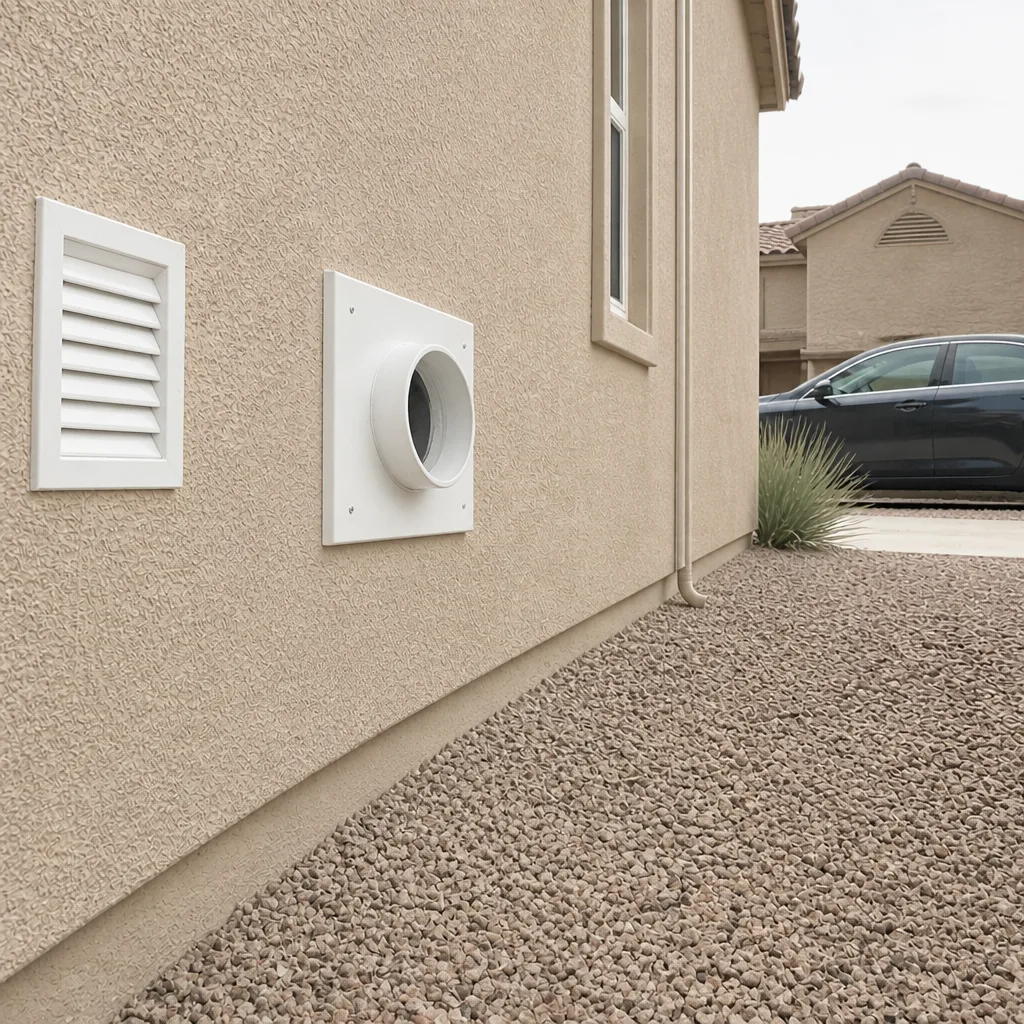
Some warning signs worth taking seriously: clothes taking longer than usual to dry, the exterior vent flap not opening fully during a cycle, or the dryer cabinet feeling unusually hot. Any of these mean get the vent looked at before the next load. dryer vent cleaning is a fast service and the difference between a manageable lint load and a fire hazard isn’t subtle. If your dryer has been running longer than it used to, that alone is worth a call.
Air quality starts behind the walls, but fire safety starts behind the dryer. Both belong on the same household calendar, and both are worth handling together so nothing gets forgotten.
Common Mistakes to Avoid
- Following a national “clean every year” calendar. Goodyear’s runtime pattern doesn’t match a four-season climate, and annual cleaning for every home wastes money on systems that don’t need it. Build a rotation based on your specific conditions.
- Cleaning in October and calling it done. October cleaning is better than no cleaning, but it happens after the biggest runtime months. If you can only pick one window, pick March or April.
- Ignoring monsoon moisture signs. A musty smell at the registers in July is not normal. Don’t spray air freshener over it and move on; get the ducts inspected.
- Hiring on price alone. A truck-mounted vacuum and a shop-vac are not equivalent, and a $99 special is almost always a surface pass, not a full cleaning. Ask what equipment the company brings and whether it’s professional-grade.
- Treating duct repair and duct cleaning as separate providers. If a duct leak is why dust keeps coming back, cleaning without repairing is temporary. One company that does both saves you the second call.
- Skipping the dryer vent because “the air duct cleaning covered it.” Those are separate systems and separate services. The dryer vent has its own lint load and its own fire risk.
- Dismissing a winter-only duct repair as unnecessary. Winter is actually the ideal time to fix ductwork – the system isn’t carrying full load and repairs won’t disrupt cooling season.
When to Call a Professional
Some issues are worth a phone call promptly, not in the next convenient window. A musty or earthy smell that appears when the system starts running in the afternoon is a moisture-in-duct signal and worth an inspection. Visible dust streaks at supply registers after a recent cleaning suggest a leak that needs repair. Uneven cooling room-to-room while the AC is at full load often points to duct failure rather than equipment failure. Any attic moisture event that could have contacted duct insulation needs a professional look before the system is run at full load again. A dryer that’s taking noticeably longer to dry clothes needs the vent inspected before the next load. And if you’ve moved into a Goodyear home and don’t know the last time the ducts were cleaned, a March-April assessment gives you a solid baseline.
High-tension duct repairs in attic space, electrical work near the air handler, and any gas-related HVAC component are jobs for a licensed professional – not weekend projects. We’ll say so even when it means turning down the job.
Duct Cleaning Goodyear offers free estimates in Goodyear – call (844) 287-2528. We answer 24/7. Fast dispatch from 7am to 7pm, Sunday through Friday.
Frequently Asked Questions
Most Goodyear homes need a full duct cleaning every 3-4 years, not annually. Homes with pets should target every 2-3 years, and homes with allergy sufferers should clean annually. A post-summer assessment in October or November is the best way to decide whether a given year needs a cleaning. Call (844) 287-2528 for an exact quote – estimates are free.
March and April are the highest-value cleaning months in Goodyear because they clear winter dust before the cooling system starts its longest runtime stretch. A secondary window in October or November handles post-summer assessment. Cleaning in mid-summer still works but doesn’t give you the same payback across the peak season.
Monsoon humidity doesn’t flood ducts, but it can raise moisture levels inside them during the weeks when outdoor humidity climbs. For most homes, this never becomes a problem. A musty smell at registers, visible condensation on attic duct insulation, or any recent moisture event in the attic is your signal to have them inspected. Call (844) 287-2528 if you’ve noticed any of these.
Whole-system air duct cleaning in Goodyear is priced per system, not per vent, and the written estimate sets the final price. Quotes vary based on system size, number of runs, and whether duct repair or contamination-level work is involved. If you’ve seen a surprisingly cheap quote online, check what equipment the company brings and whether the price covers the full system or a partial pass.
Very cheap quotes usually reflect surface-only work: a shop-vac pass on main runs, not a full contact-vacuum clean of every branch and boot. The equipment matters – professional-grade systems like Rotobrush and Nikro pull at pressures entry-level tools can’t reach. Ask what equipment the company brings to the job before comparing prices. Call (844) 287-2528 for a straight quote from a company that uses professional machinery.
Yes, at least annually. Dryer vent cleaning isn’t seasonal in the same way duct cleaning is, but lint builds up fast in high-use households and the fire risk is real. Inspect more often if your dryer runs several loads a day or if clothes are taking longer than usual to dry. Call (844) 287-2528 to schedule dryer vent cleaning alongside an air duct visit.
A Goodyear Perspective on Air Quality
We work across Goodyear regularly, and the homes we see share certain patterns: newer construction with flex duct runs, attics that get extremely hot from May through September, and busy households where the cooling system gets a real workout. Those conditions define what duct care actually needs to look like here, and it’s different from what a general “four-season” guide would tell you.
Aprilaire and Honeywell familiarity matters for Goodyear homes because many of them already have whole-home filtration or humidity components installed by the builder or a previous owner. Understanding how a filtration system interacts with return airflow and pressure drop is what lets us talk about upgrades without guessing. Not every home needs a new filter system, but when an existing one isn’t performing, we can say why and what the options are.
The tools we bring into a Goodyear home aren’t entry-level consumer tools. Rotobrush is a contact-vacuum system designed for real duct cleaning, not a surface pass. Nikro equipment rounds out the negative-air side of the work. When contamination-level situations come up – mold spores, heavy allergen load, post-construction particulate – Abatement Technologies equipment is on hand to handle the job properly. It’s designed for that work, not adapted to it. That level of capability matters most when the ducts are actually carrying something a standard cleaning wouldn’t fix.
The Bottom Line
Goodyear’s duct cleaning calendar doesn’t follow four equal seasons. It runs on three phases: a pre-summer load ramp where March and April cleaning pays back the most, a monsoon humidity window from June through September where moisture signs deserve prompt inspection, and a mild-winter low-use period from October through February that’s ideal for post-summer assessment and quiet duct repair work. Build a multi-year rotation based on runtime hours, pet and allergy load, and any prior moisture event rather than a flat annual schedule. Keep the duct cleaning Goodyear appointment paired with dryer vent cleaning at least once a year. And when the calendar points to cleaning, book it – the right window in Goodyear is worth waiting for.
Call (844) 287-2528. We answer 24/7. Fast dispatch from 7am to 7pm, Sunday through Friday. Estimates are free, and the price is set per system by the written estimate before any work begins. Professional-grade equipment, before-and-after photos, and one flat price per system – the same standard on every Goodyear job.
Written by the team at Duct Cleaning Goodyear.
See the difference
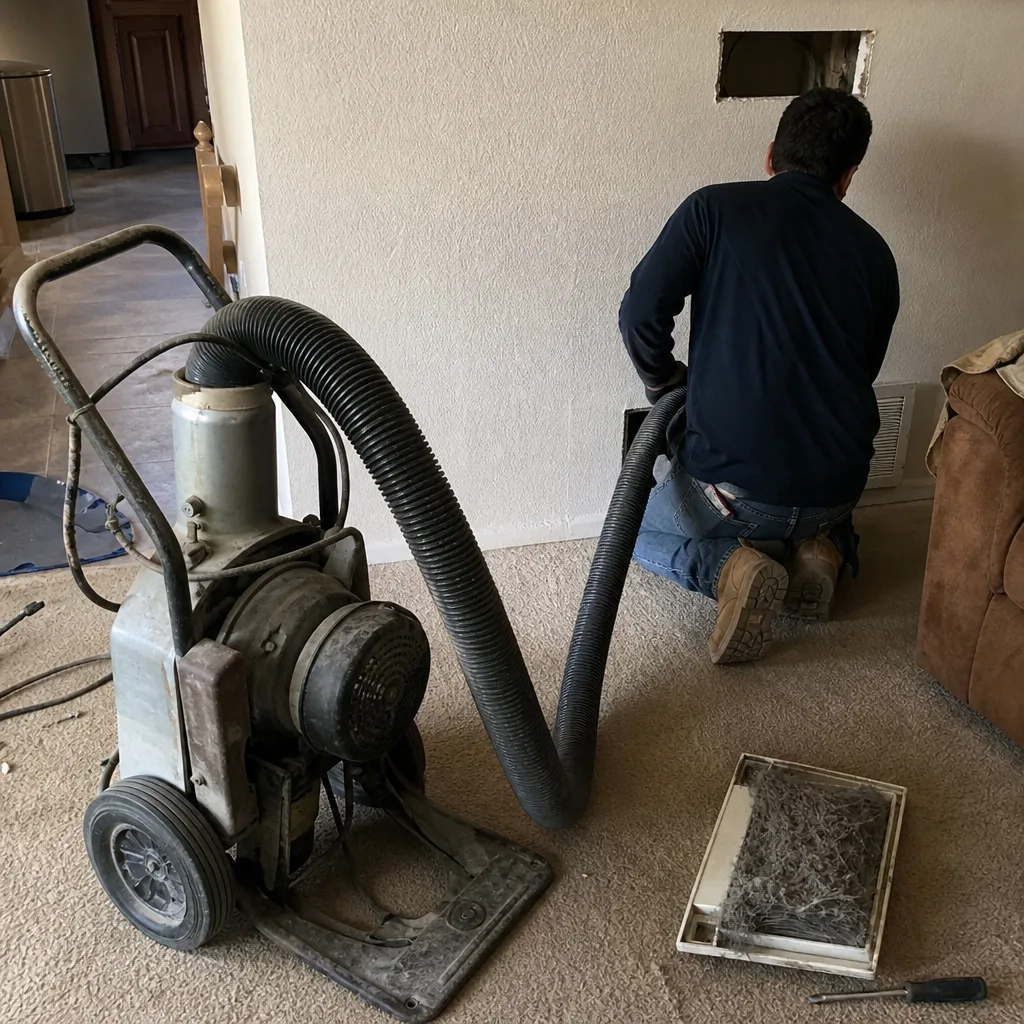 Before
 After
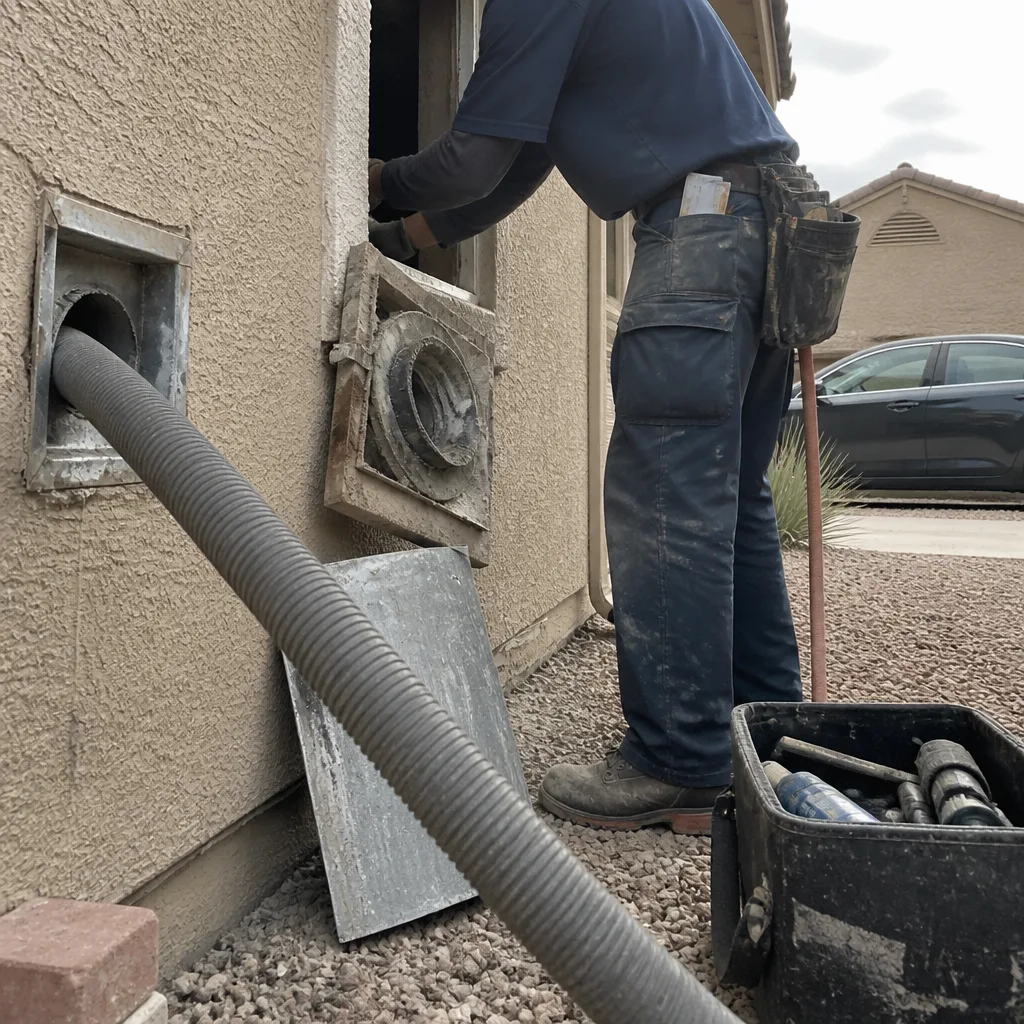 Before
 After
 Before
 After