
Last updated November 15, 2026
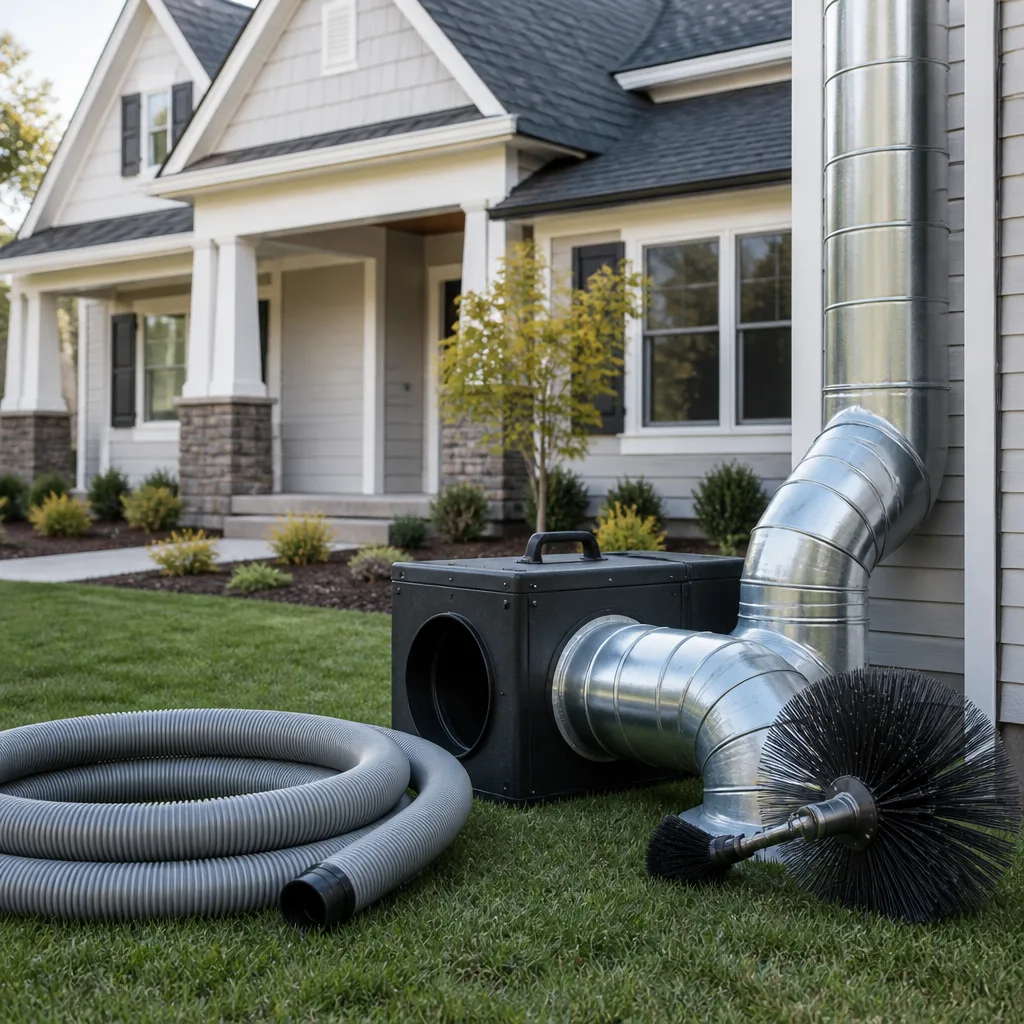 Whole-home duct cleaning
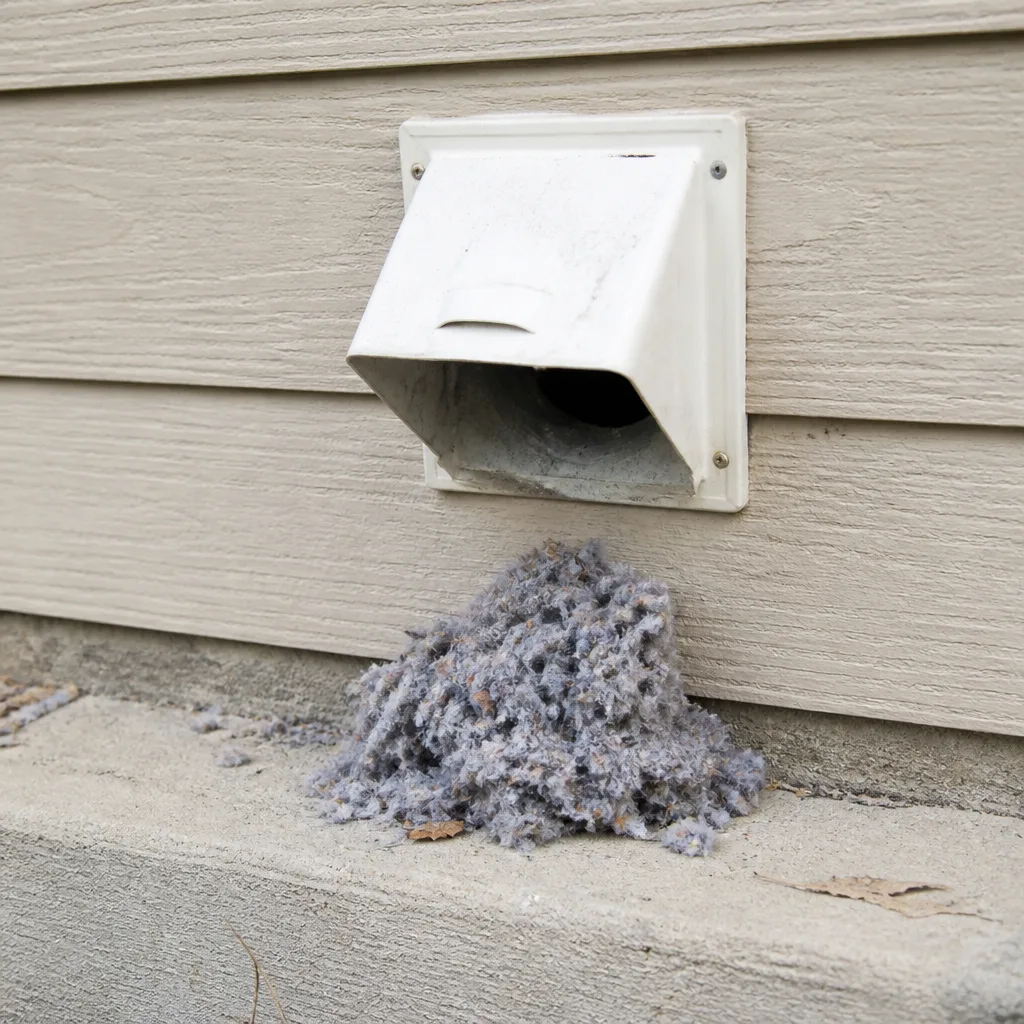 Dryer vent cleaning
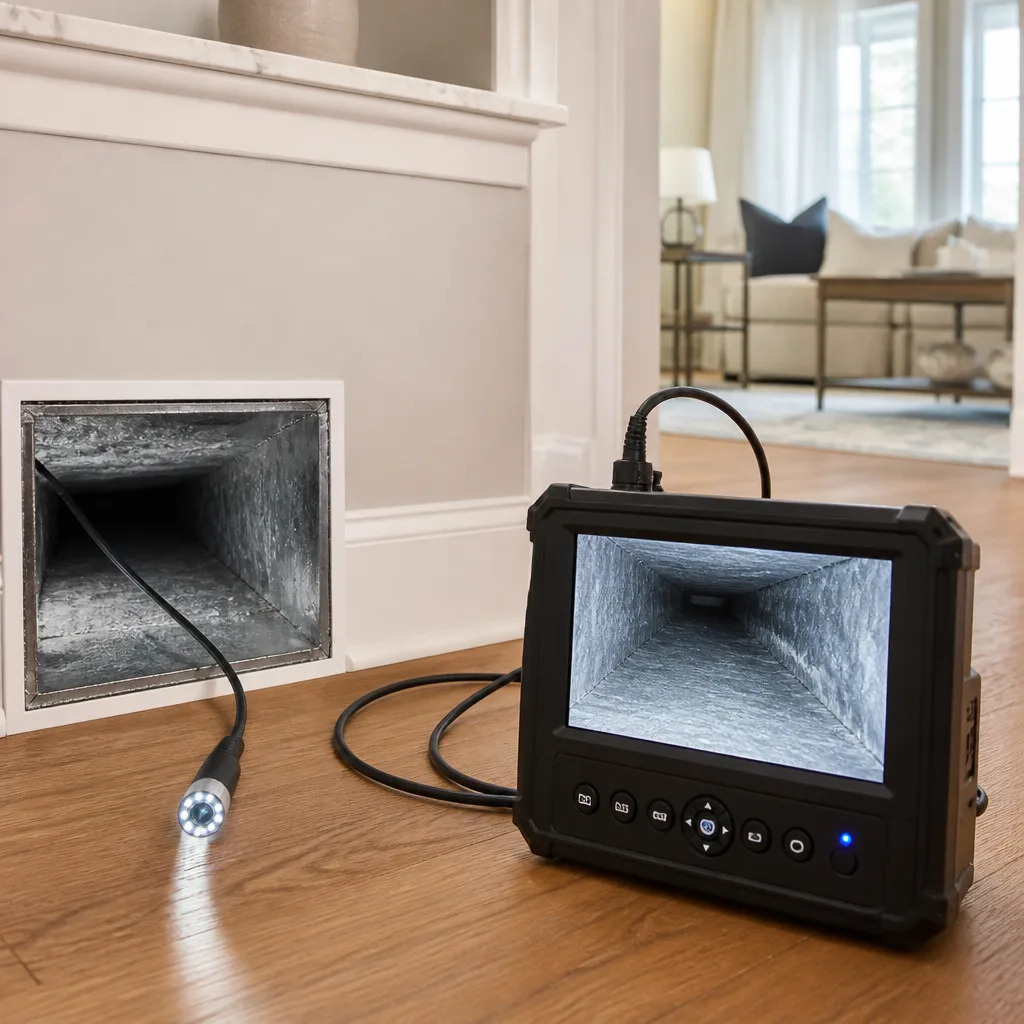 Camera inspection
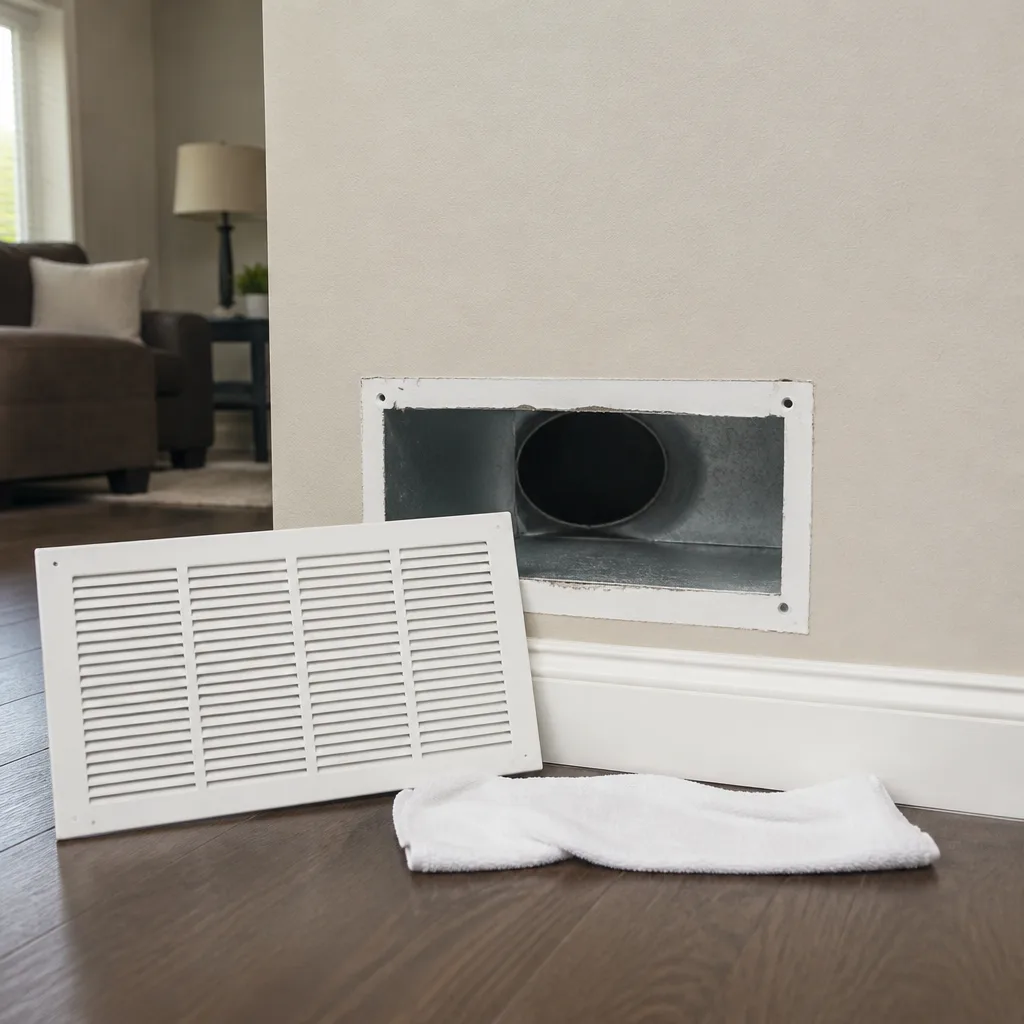 Sanitizing & deodorizing
Whole-system duct and dryer vent check with before-and-after photos - you see exactly what came out of your vents
That "$99 whole-house special" is a bait ad - the real number appears once they are in your hallway, or the "clean" is a shop-vac at the register. We photograph the inside of your ducts before and after instead.
Air Duct Cleaning Emergency Preparedness Guide for Goodyear Homes
Most homeowners in Goodyear think about duct cleaning as routine maintenance, something you get around to when the system starts smelling musty or a filter change gets missed. That framing misses a harder truth: your ductwork can take on a serious contamination load in under an hour, and the decisions you make in that first hour are what determine whether a filter swap solves the problem or whether you’re looking at a full system cleaning. During a haboob, a running HVAC system with a standard MERV 8 filter can pull fine desert particulate into the return plenum for 20 to 40 minutes before most residents think to shut the system down, and what gets past the filter during that window stays in the ductwork. This guide walks through shutdown protocol, post-event triage, water intrusion, smoke and char cleanup, and the documentation trail you’ll want if a storm event becomes an insurance claim.
Quick Answer
Air duct cleaning after a dust storm in Goodyear is warranted when fine particulate has bypassed the filter and settled inside the return plenum, trunk lines, or branch runs, which you can usually confirm within 24 hours by inspecting return grilles and the filter housing. Shut the HVAC system off the moment a haboob or high-dust event starts, swap the filter afterward, and have a professional inspect the duct interior before running the system again if you see visible dust deposits past the filter slot. Water intrusion and smoke events follow a different, faster timeline.
Styles & brands we work with
- Whole-home duct cleaning
- Dryer vent cleaning
- Camera inspection
- Sanitizing & deodorizing
Table of Contents
- Why Goodyear’s Dust Events Are Different From Ordinary Dust
- Immediate Shutdown Protocol: The First 60 Minutes
- 24-Hour Post-Event Triage for Your Duct System
- Water Intrusion: The Arizona Heat Timeline for Biological Growth
- Smoke and Char Particulate After a Fire
- Documentation for Insurance and Property Records
- When to Do It Yourself and When to Stop
- Building a Duct Emergency Plan Before the Next Storm
Why Goodyear’s Dust Events Are Different From Ordinary Dust
Household dust is a slow accumulation problem. Haboob dust is an acute loading event. During a major dust storm along the Gila River corridor, particulate concentrations in outdoor air can climb fast, and a running HVAC system becomes an intake for that particulate. The filter catches a good share of it, but a MERV 8 filter is not designed to hold back the fine fraction indefinitely, and when it loads up mid-event, the pressure differential pushes whatever slips past straight into the return plenum and downstream.
Goodyear’s geography makes this a recurring scenario rather than a once-in-a-decade event. The community sits in the open desert west of Phoenix, with new development and agricultural land to the south and west that put loose soil into the air during wind events. Haboobs rolling through the West Valley can arrive with less warning than residents expect, and the 20 to 40 minutes between the wall of dust appearing on the horizon and the HVAC system ingesting it is the critical decision window.
Add construction dust to the picture. Active buildout in newer Goodyear subdivisions pushes fine gypsum, concrete, and soil particulate into the air for weeks at a time, and that dust behaves differently than desert dust. It’s heavier, more alkaline, and more likely to stick to the inside of duct walls where a filter can’t reach it. Homes near active construction zones in Goodyear tend to accumulate duct contamination faster than homes in established neighborhoods, which makes post-event inspection more important, not less.
The filter matters, but it isn’t the whole story. Familiar names like Honeywell and Aprilaire manufacture filter media and whole-home filtration systems that handle fine particulate far better than a basic panel filter, but no filter eliminates the need to inspect after a serious dust event. Air quality starts behind the walls, in the ductwork itself, and that’s the part most homeowners never see. If you want the broader picture on routine service, our air duct cleaning page covers the standard process in detail.
Immediate Shutdown Protocol: The First 60 Minutes
Shutting the system down during a dust event is the single highest-value move you can make, and it takes about ten seconds. Here’s the sequence we walk homeowners through when they call after a storm has already passed.
- Kill the thermostat. Set the system to OFF, not to fan-only. A running fan pulls air through the return whether the compressor or heat is engaged. If you can reach the air handler, switch off the breaker servicing it.
- Close windows and exterior doors. This keeps the dust event from adding to the load inside the house once the system is off.
- Seal the return grilles temporarily. A strip of painter’s tape over the largest return grille isn’t necessary in every situation, but if the storm is severe and you’re seeing visible dust infiltration around doors and windows, it buys you protection.
- Note the time the system went off and whether it was running when the dust arrived. Write it down. That single fact determines the triage path.
- Wait for the event to pass, then swap the filter. A filter that absorbed a haboob load is finished, even if it looks only moderately dirty from the outside. Inspect the filter housing itself for particulate bypass.
If the system was already running during the peak of the event, the possibility of particulate bypass is real and worth a professional inspection. If you caught it early and shut down fast, a filter swap and a visual check of the return may be all you need. Either way, the assessment is what tells you whether the next step is a filter or a cleaning.
24-Hour Post-Event Triage for Your Duct System
Within the first day after a dust event, you can gather enough information to know whether you’re dealing with a filter swap or a contamination event that needs a professional cleaning. Here’s how to work through it, and it starts with the parts of the system you can actually reach without tools.
- Pull the filter and look at the housing. If you see dust deposits on the inside walls of the filter slot, on the blower compartment frame, or on the interior of the return drop, particulate made it past the filter. That’s your first signal.
- Shine a light into the return duct. A bright flashlight aimed down the return from the grille opening shows the first few feet of duct. Visible coating, gray film, or settled dust on the bottom of the duct wall means the trunk line has been loaded.
- Check the supply grilles for dust blowing through. Turn the fan on briefly and hold a white paper towel near a supply register. Gray or brown discharge on the towel is a sign the branch runs are carrying contamination.
- Smell the air at the return. A dusty, earthy, or musty odor near the return grille is a signal worth taking seriously, especially if it persists after a filter change.
- Look for visible dust streaks on ceilings or walls near supply diffusers. Streaking is a sign of ongoing particulate at the register, and over months it points to duct interior contamination.
- Check the HVAC cabinet seams and access panels. Dust accumulation inside the blower compartment is easy to see with a flashlight and is one of the clearest indicators that the system ingested more than the filter could hold.
If two or more of those checks come back positive, the system needs more than a filter. That’s where professional equipment makes a difference. Consumer shop-vacs and entry-level tools stir up more than they capture. Equipment like our Rotobrush and Nikro contact-vacuum and negative-air systems, and the Abatement Technologies units we bring for heavier jobs, are the same class of machinery used in commercial and remediation work. If you want a visual of what the difference looks like, our main Duct Cleaning Goodyear page covers the service scope. For a Goodyear homeowner facing a post-haboob assessment, a free estimate is the fastest way to know which path you’re on.
Water Intrusion: The Arizona Heat Timeline for Biological Growth
Water in ductwork is a different order of problem from dust, and it moves on a shorter clock. A monsoon roof leak, a plumbing failure in the attic, or condensation from a failed drain pan can all send water into the duct system. In Arizona’s summer heat, a wet duct interior inside a closed plenum stays warm and humid, and that environment supports biological growth in far less time than most homeowners expect. The typical window is 24 to 48 hours before you’re dealing with active growth rather than dried moisture.
Here’s how to handle a suspected water intrusion event.
- Stop running the system. A wet duct plus moving air distributes spores and moisture through the entire home.
- Find the source and stop it. A roofing or plumbing repair isn’t in our scope, so call the appropriate trade. The duct work comes after the leak is fixed.
- Get air moving through the affected space, not through the ducts. Fans aimed at the wet area of the ceiling or wall, not into the duct opening, help dry the structure without spreading contamination.
- Photograph everything before any drying or cleanup. Ceiling stains, wet insulation, water lines on duct surfaces, and the source of the intrusion all matter for insurance.
- Schedule an inspection once the leak is stopped. The duct interior needs to be assessed for visible growth, and if any is present, cleaning with contamination-level equipment is the appropriate response, not a filter swap.
If growth is present, that’s a cleaning job that requires more than standard equipment. This is where the Abatement Technologies units earn their place. They’re built for jobs that involve mold spores and heavy particulates, and applying them to a residential duct system that experienced a water event is exactly the right use. Do-it-yourself remedies, foggers, and duct sprays sold at hardware stores do not resolve a wet-duct problem, and in some cases they smear contamination deeper into the system.
Smoke and Char Particulate After a Fire
Fire cleanup is the category most homeowners have no frame of reference for, and it’s the one where the standard cleaning protocol needs the most adjustment. Smoke residue behaves fundamentally differently than dust. Dust settles by gravity and accumulates in predictable locations. Smoke particulate is chemically reactive, it adheres to surfaces electrostatically, and it penetrates deep into porous materials, which means the inside of a duct system becomes a reservoir for odor and residue long after visible smoke is gone.
If your home has experienced any level of fire, smoke, or char intrusion, even from a contained kitchen fire or a nearby structure fire with wind-driven smoke, here’s what changes in the cleaning protocol.
- Odor is a residue indicator, not a nuisance. Persistent smoke smell after a fire means residue is still present on surfaces. Running the HVAC spreads it back through the house, so keep the system off until the ducts are cleaned.
- Sealing matters alongside cleaning. Where char or heavy smoke residue has penetrated duct lining, cleaning removes the surface load and a protective sealer addresses the remaining odor reservoir. Products like those from Guardsman are familiar in this context, and their role is surface and system protection after cleaning, not a substitute for it.
- Branch runs need individual attention. Smoke travels into every branch equally, unlike dust, which concentrates near the return. Every run gets cleaned, not just the trunk.
- Post-construction smoke is its own category. Goodyear has active construction in several areas, and a fire at a nearby build site can send smoke and char particles into neighboring homes during a wind event. That exposure is real and worth an inspection even if there’s no visible damage inside your home.
Fire and smoke jobs are one place where the ceiling of your equipment matters. Standard contact-vacuum systems are the right tool for dust. Contamination-level work, including smoke and char jobs, benefits from the negative-air capability and filtration standards used in restoration work, which is the class of equipment we bring to those jobs.
Documentation for Insurance and Property Records
If a storm, water event, or fire has contaminated your duct system, the quality of your documentation determines how much of the cleaning cost your insurance will cover. Insurers ask for evidence of the event, evidence of the contamination, and evidence of the work performed. Getting all three right is straightforward if you know what to photograph before anything is cleaned or moved.
What to photograph before cleanup begins.
- The weather or event evidence. A photo of the dust wall, a screenshot of the local weather alert, or the fire department’s incident reference, whichever applies. Timestamp everything.
- The filter and filter housing. Pull the filter and photograph it in place before removing it. Then photograph the housing interior showing any bypass dust.
- Return and supply grilles. Close-up shots of dust loading at each return, and any visible streaking at supply diffusers.
- The air handler and blower compartment. Dust accumulation inside the cabinet is a strong visual record of what the system ingested.
- Water damage, if applicable. Ceiling stains, wet insulation, water lines on duct surfaces, and the source of the leak.
- Smoke or char residue, if applicable. Walls, ceilings, and any visible soot deposits near supply grilles or returns.
- Records you already have. Past filter change receipts, HVAC service records, and any prior duct cleaning invoice all help establish a baseline.
After the cleaning, ask for before-and-after photos of your own ducts. A professional cleaning produces documentation of the work itself, with the interior of the return plenum, trunk line, and branch runs photographed before and after cleaning. For landlords and property managers in Goodyear, that documentation trail is worth keeping on file even outside of an insurance claim. It’s the difference between a service call and a record of service.
When to Do It Yourself and When to Stop
Some parts of duct emergency response are safely within a homeowner’s reach. Others are not, and knowing where the line is protects both your system and your household. Here’s the honest split.
Reasonable for a homeowner: shutting the system off during a dust event, swapping a filter, taping a return grille temporarily, photographing the interior of the filter housing and return opening, drying visible moisture in the surrounding structure, and calling your insurance company to open a claim.
Stop and call a professional: anything that involves reaching past the first few feet of duct, anything involving a wet duct interior, anything involving visible mold, anything involving smoke or char residue, and anything involving the air handler cabinet beyond a visual inspection. Duct interiors have sharp metal edges, fasteners, and tight clearances, and pulling a shop-vac into a return line can dislodge particulate into the system rather than remove it. Electrical components in the air handler and any high-voltage connections are not do-it-yourself territory, and we’d rather tell you that plainly than have you find out the hard way.
If your system has experienced a water event or a fire, treat the professional inspection as part of the response, not an optional follow-up. The cost of a cleaning is modest compared to the cost of contaminating an entire home with a wet-duct mold problem that went unaddressed. That’s the calculation, and it’s not a close one.
Building a Duct Emergency Plan Before the Next Storm
The best time to prepare for a duct emergency is before the next one, and the plan doesn’t need to be elaborate. What follows is the version we’d give a Goodyear homeowner who asked us what to actually put in writing.
- Know where your HVAC breaker is. Label it. If you can’t reach the breaker quickly, at least know where the thermostat is and how to set it to OFF.
- Keep two spare filters on hand in the correct size for your system. In a dust event, the swap happens fast and having the filter on the shelf is the difference between a filter change and a system running dirty for a week. If your system runs a Honeywell or Aprilaire filter cabinet, keep the right replacement on hand rather than guessing.
- Take a baseline photo set today. Photograph your return grilles, filter housing, and air handler cabinet interior in their present condition. When the next event happens, you’ll have a clean comparison point.
- Locate your return grilles and label them. If you need to seal one during a storm, you want to know which is which without hunting.
- Keep your insurance policy number and your HVAC service records in one accessible place. Documentation is easier to assemble before an event than during one.
- Know the contact for your duct cleaning company, your roofer, and your plumber. A water intrusion event involves all three, and the duct work follows the leak fix, not the other way around.
- Have a short conversation about your dryer vent. This is a separate fire-safety system from your HVAC ducts, and it deserves the same attention. Our dryer vent cleaning service exists for exactly this reason: it’s a documented fire hazard most homeowners never think about. If you’re in Goodyear and it’s been a while, add it to the list.
- Mark the calendar for a post-monsoon inspection. Late summer through early fall, after the storm season has passed, is a sensible time to have the duct system inspected regardless of whether you noticed anything.
Our technicians have up to 13 years of experience working on residential duct systems in desert conditions, and that experience has taught a simple lesson: the homes that come through storm season in the best shape are the ones with a plan written down before the first dust wall shows up. If you’re in a newer Goodyear subdivision close to active construction, or in an established neighborhood near the open desert, your exposure is a little higher than a homeowner further east in the Valley, and the plan matters a little more.
Common Mistakes to Avoid
- Running the fan to “clear the air” during a dust event. The fan pulls more particulate into the system, not less. It makes the contamination event worse, and the damage is cumulative across the whole duct run rather than just the return.
- Assuming a MERV 8 filter caught everything. A MERV 8 captures a good share of coarse dust, but the fine fraction that slips past during a heavy event is the fraction that settles deep in the system. Filter rating is a helpful variable, not a guarantee.
- Waiting for a smell to call a professional. Visible dust in the filter housing can signal a real problem well before the system starts to smell. By the time odor is obvious, the deposit is usually substantial. In Goodyear’s heat, an odor that appears after a water event is a red flag, not a scheduling item.
- Using a shop-vac to “clean” the return. Shop-vacs blow fine particulate back into the air, they don’t filter it out the way a negative-air machine does. Small tools on a real contamination job move the problem around instead of removing it.
- Skipping photos before cleanup. Once the ducts are cleaned or the filter is swapped, the visual evidence of contamination is gone. If you’re likely to file an insurance claim, photograph first, clean second, and don’t let anyone tell you otherwise.
- Not addressing a dryer vent alongside the ducts. A dryer vent that hasn’t been cleaned is a fire risk, and it’s separate from the HVAC ducts. If you’re booking a duct cleaning in Goodyear, ask about the dryer vent at the same time rather than making it a separate project later.
- Trusting a quote that isn’t a flat price per system. Per-vent pricing, teaser coupons, and final invoices that look nothing like the initial quote are a real problem in this trade. A written flat price per system, agreed before work starts, is what you should expect.
See the difference
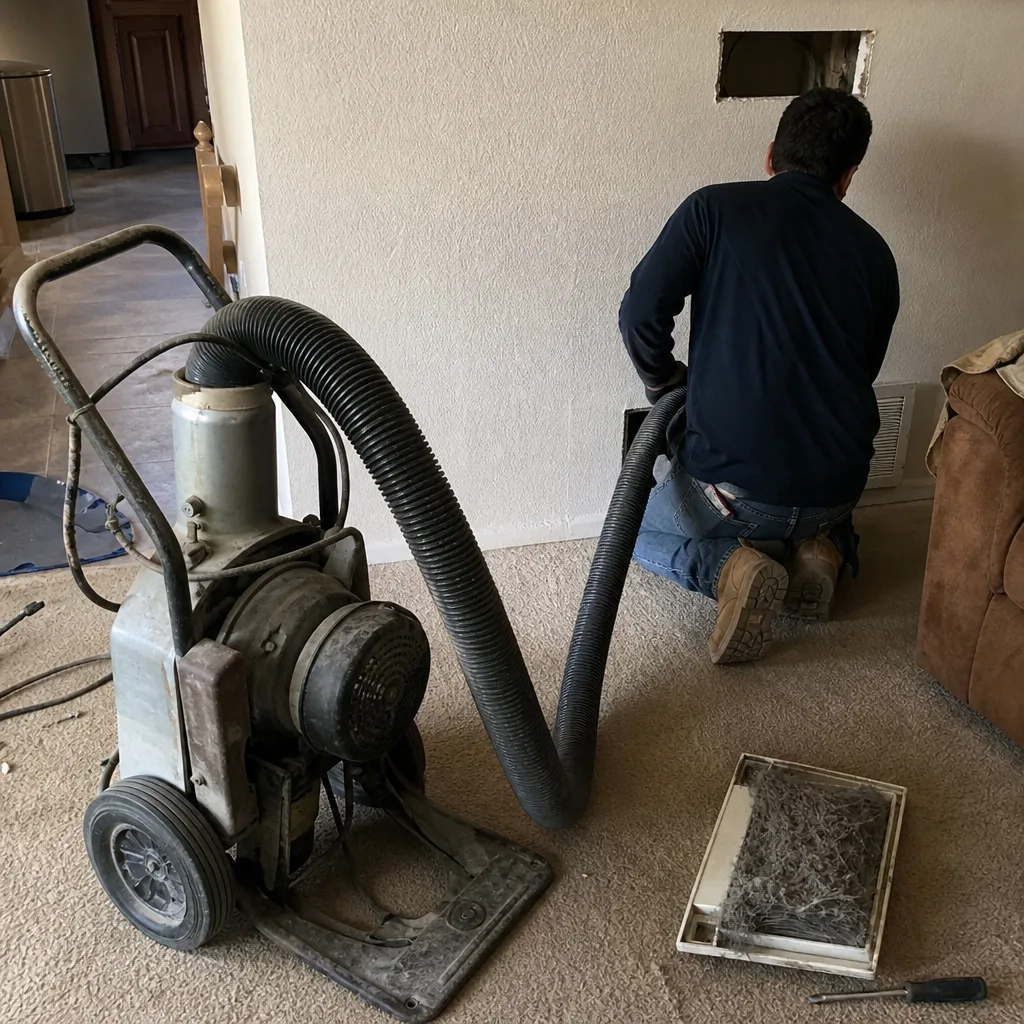 Before
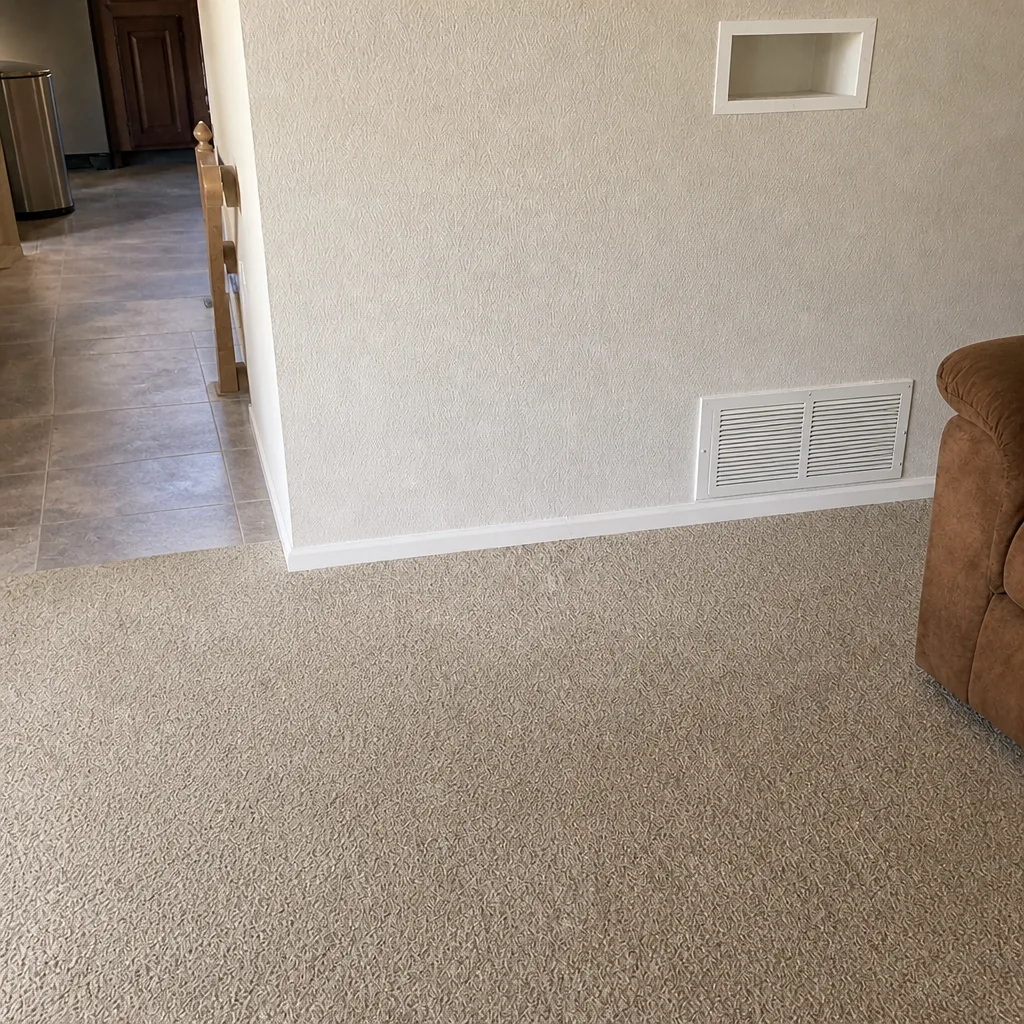 After
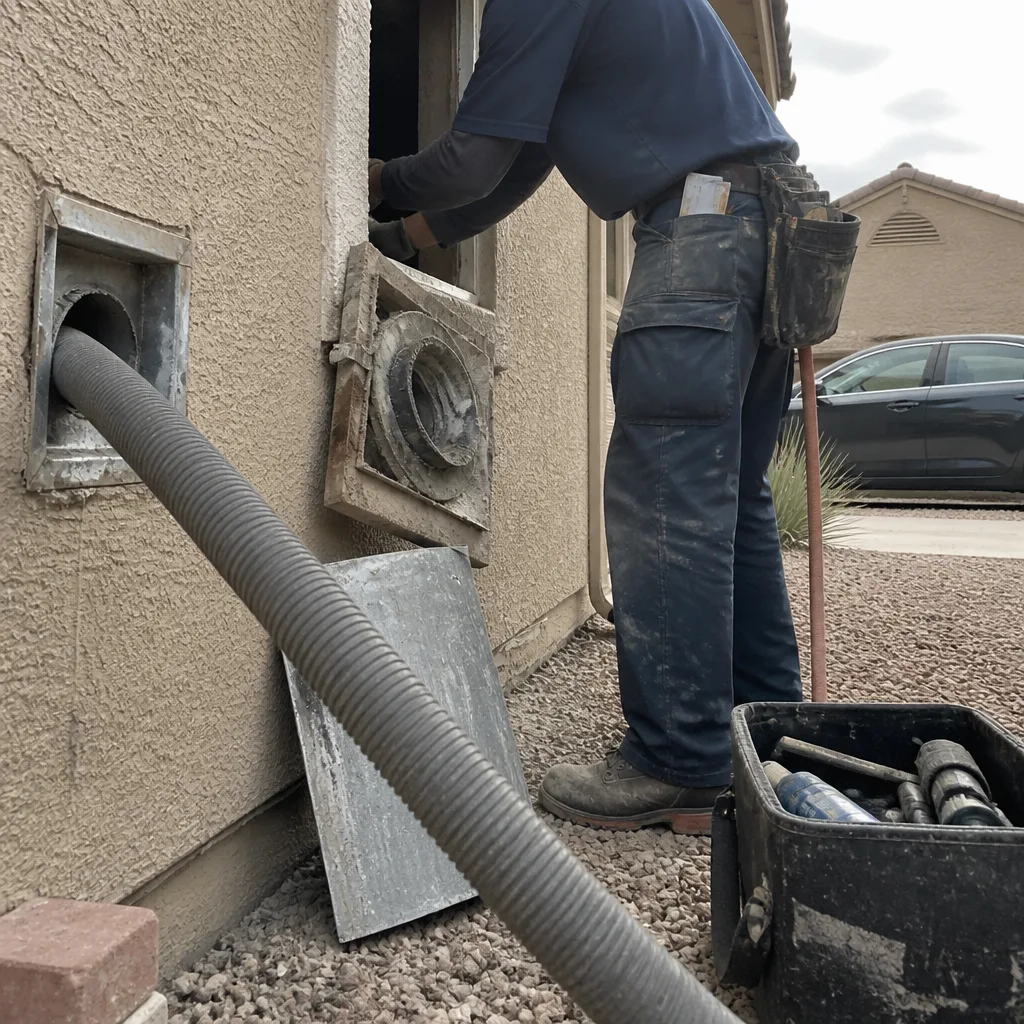 Before
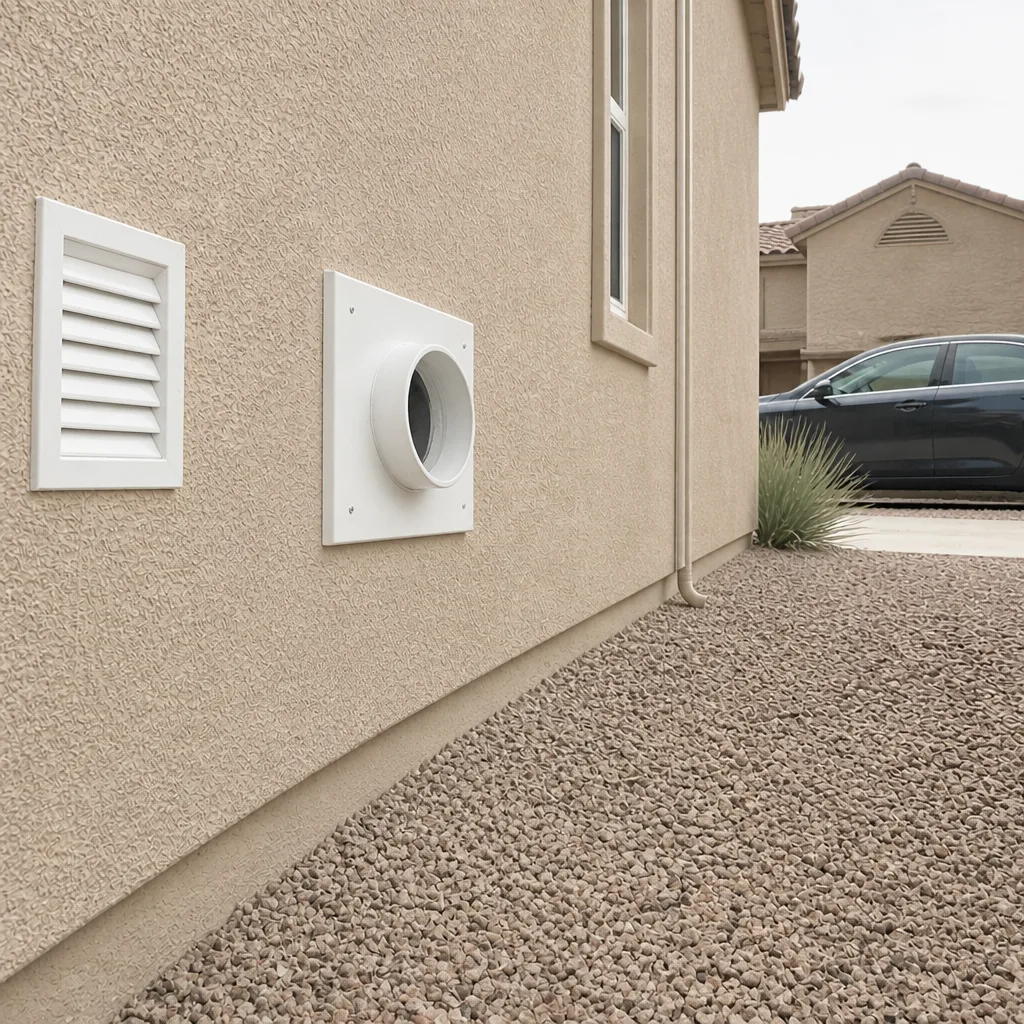 After
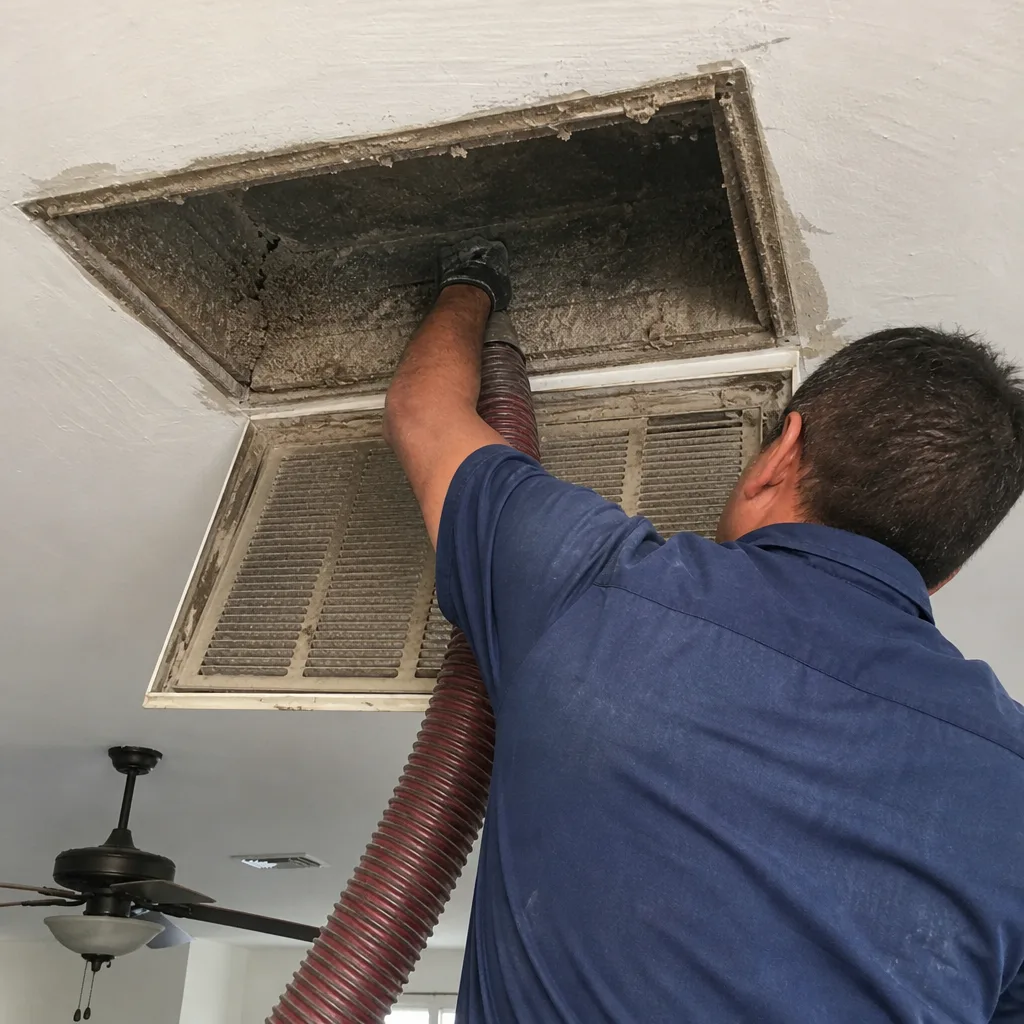 Before
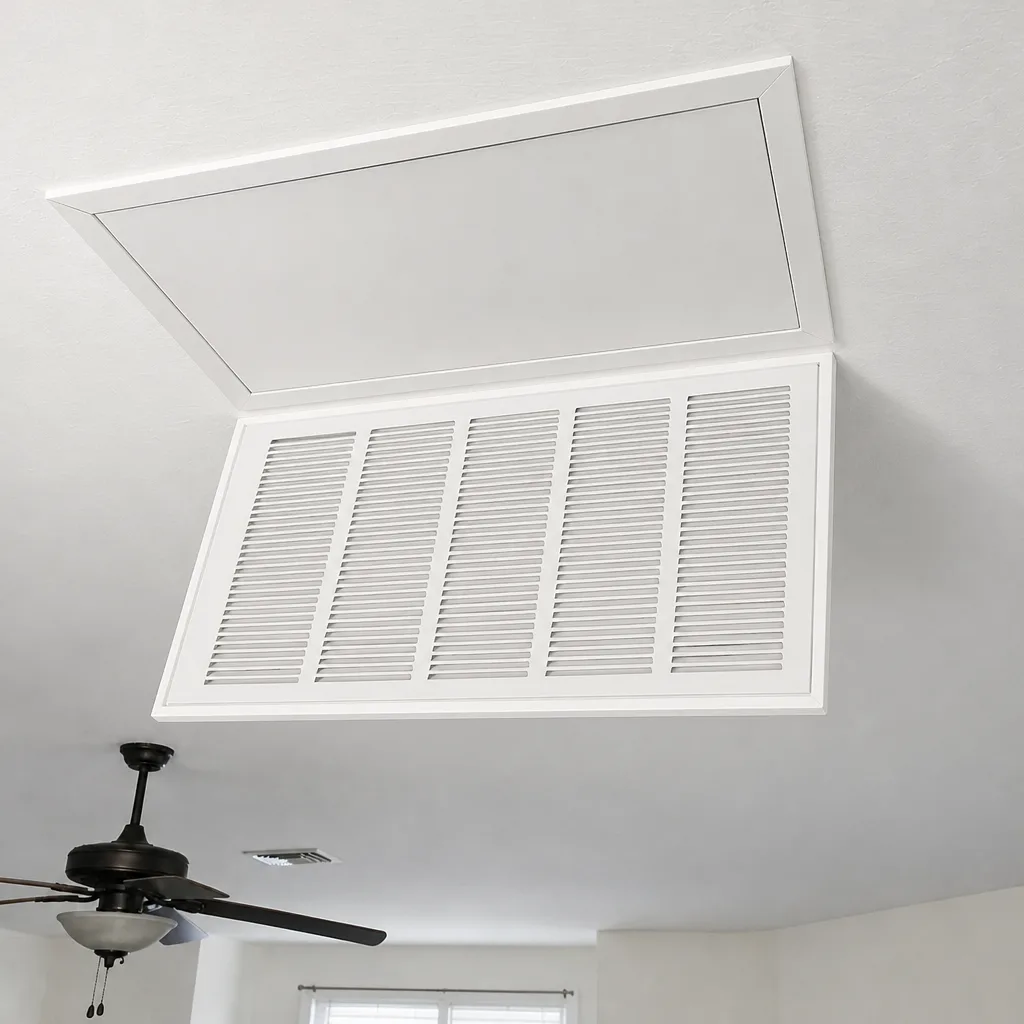 After
When to Call a Professional
Call a licensed professional when any of the following applies: you saw visible dust deposits past the filter slot after a dust event, the system ran during a haboob and the return shows loading, a water intrusion event has reached the ductwork, smoke or char residue is present anywhere in the system, or you’ve noticed an earthy or musty odor at a return that persists after a filter change. Also call if you simply don’t know where to start and would rather have a trained eye make the call. Duct Cleaning Goodyear offers free estimates in Goodyear, and we can walk through what we find in plain terms before any work begins. Call (844) 287-2528. We answer 24/7. Fast dispatch from 7am to 7pm, Sunday through Friday. You’ll get one flat price per system agreed before work starts, before-and-after photos of your own ducts, and an explanation of what we found in the internal air handler and duct runs. Our technicians have up to 13 years of experience, and we’ll tell you if the situation calls for a filter swap rather than a cleaning. Visit our Goodyear service area page to see how we work with homeowners and property managers across the West Valley.
Frequently Asked Questions
Within the first one to two weeks after a significant dust event, if an inspection shows particulate made it past the filter. The longer contamination sits in the system, the more it consolidates on duct walls and the harder it is to remove completely. You can gather triage information safely within 24 hours by inspecting the filter housing and return opening, then book the cleaning once you have a professional assessment.
Sometimes yes, and a good technician will tell you so. If the filter housing and return interior are clean and the system was shut down early during the event, a filter swap can be sufficient. The determination is made by inspection, not by assumption, and any company that quotes a full cleaning without looking inside the system is guessing. Call (844) 287-2528 for a free estimate and an honest assessment.
Desert dust is mostly mineral particulate and settles by gravity, concentrating near the return. Construction dust carries gypsum, concrete fines, and adhesive residue, which adhere more stubbornly to duct surfaces and can be more alkaline. Homes in newer Goodyear subdivisions near active build sites tend to see construction dust accumulation alongside desert dust, and the combined load is one reason we use professional-grade equipment rather than basic consumer tools.
Look for ceiling stains, water lines on visible duct surfaces, condensation on the air handler, and any persistent musty odor near the return. If a monsoon roof leak or plumbing event has been anywhere near the ductwork, treat it as a potential duct problem and have the system inspected. In Arizona’s heat, wet duct interiors can support biological growth within 24 to 48 hours, and a visual inspection is the only reliable way to confirm. Call (844) 287-2528 to book one.
It depends on your policy and the specific event. Storm-intrusion claims and water-damage claims are more likely to cover duct cleaning than routine maintenance, and the deciding factors are your documentation and the cause of the contamination. Photograph the filter housing, return grilles, and air handler interior before cleanup, keep the weather or incident evidence, and ask for before-and-after photos after the work is done. We can work with your insurer on documentation.
For most homes, a professional inspection every few years is sensible, with a cleaning when the inspection supports it. Homes near open desert, near active construction, or with pets and allergy sufferers in the household tend to accumulate faster and may need more frequent service. Post-event cleaning after a haboob, water intrusion, or fire is separate from routine scheduling and shouldn’t wait. Call (844) 287-2528 for a free estimate and we’ll help you decide what your system actually needs.
The Bottom Line
The worst mistake in a duct emergency isn’t a wrong cleaning decision. It’s no decision at all, and the system keeps running through the event while the problem gets worse. Shut the HVAC off the moment a dust event starts. Inspect the filter housing and return within 24 hours. Treat water intrusion on a 24-to-48-hour clock. Photograph before cleanup if there’s any chance of an insurance claim. And if you’re not sure what you’re looking at, call before you clean. Duct Cleaning Goodyear handles air duct cleaning, dryer vent cleaning, and duct repair, so if the inspection finds a breach in the ductwork, we can address it in the same visit. Call (844) 287-2528 for a free estimate.
Written by the team at Duct Cleaning Goodyear.