
Last updated November 15, 2026
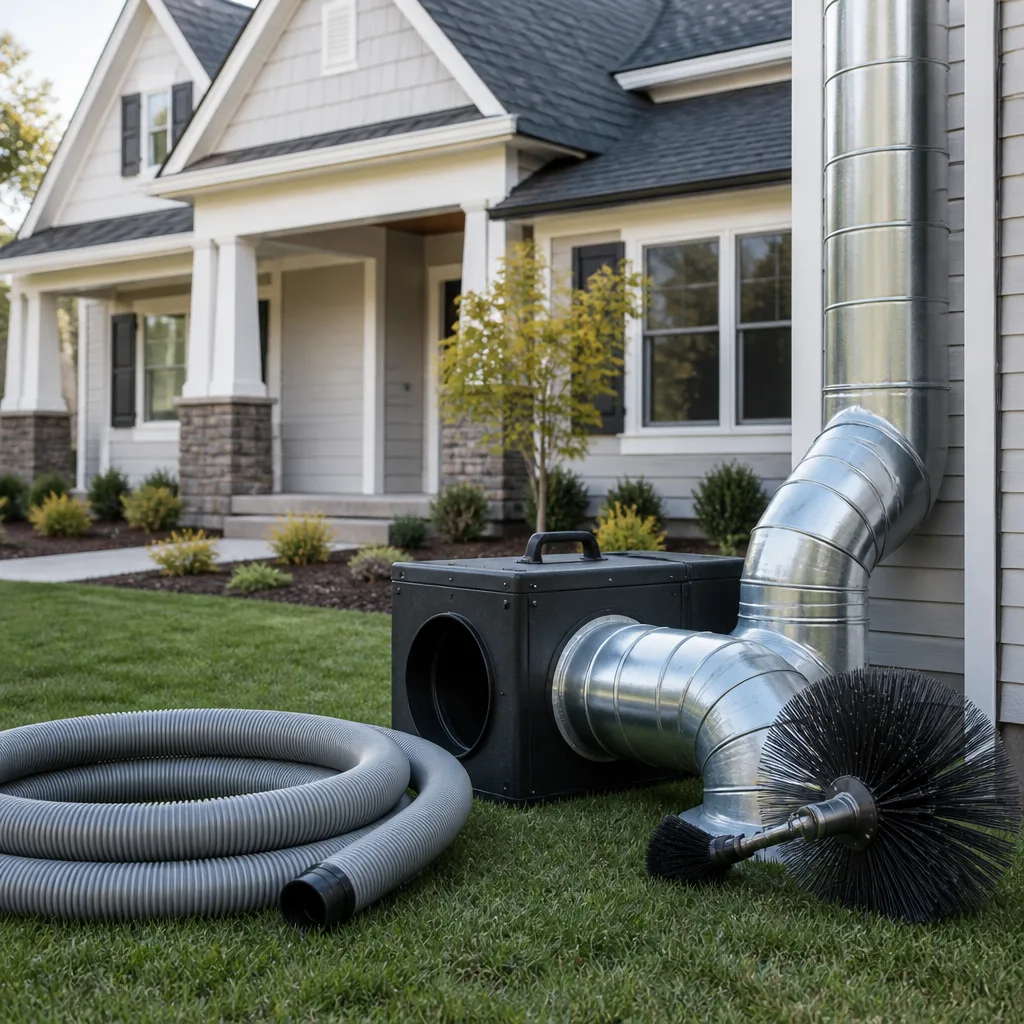 Whole-home duct cleaning
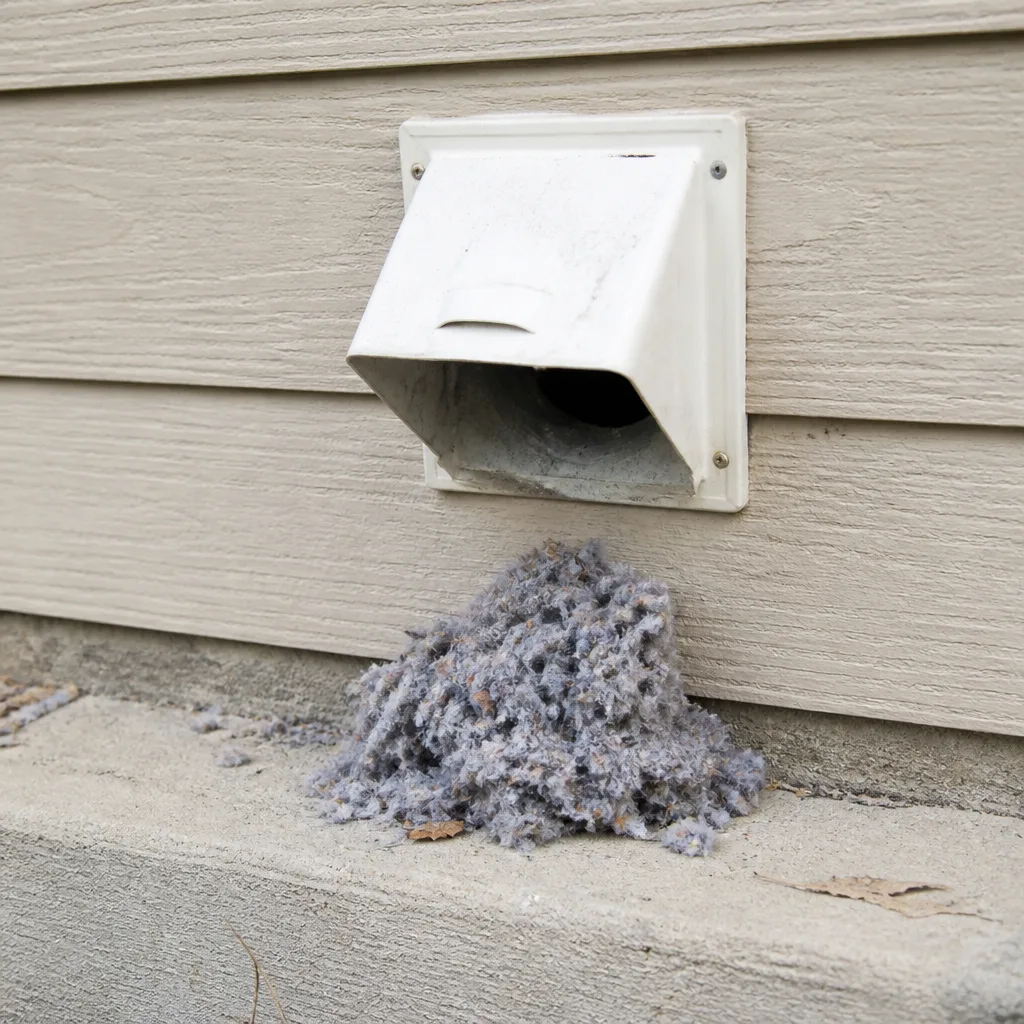 Dryer vent cleaning
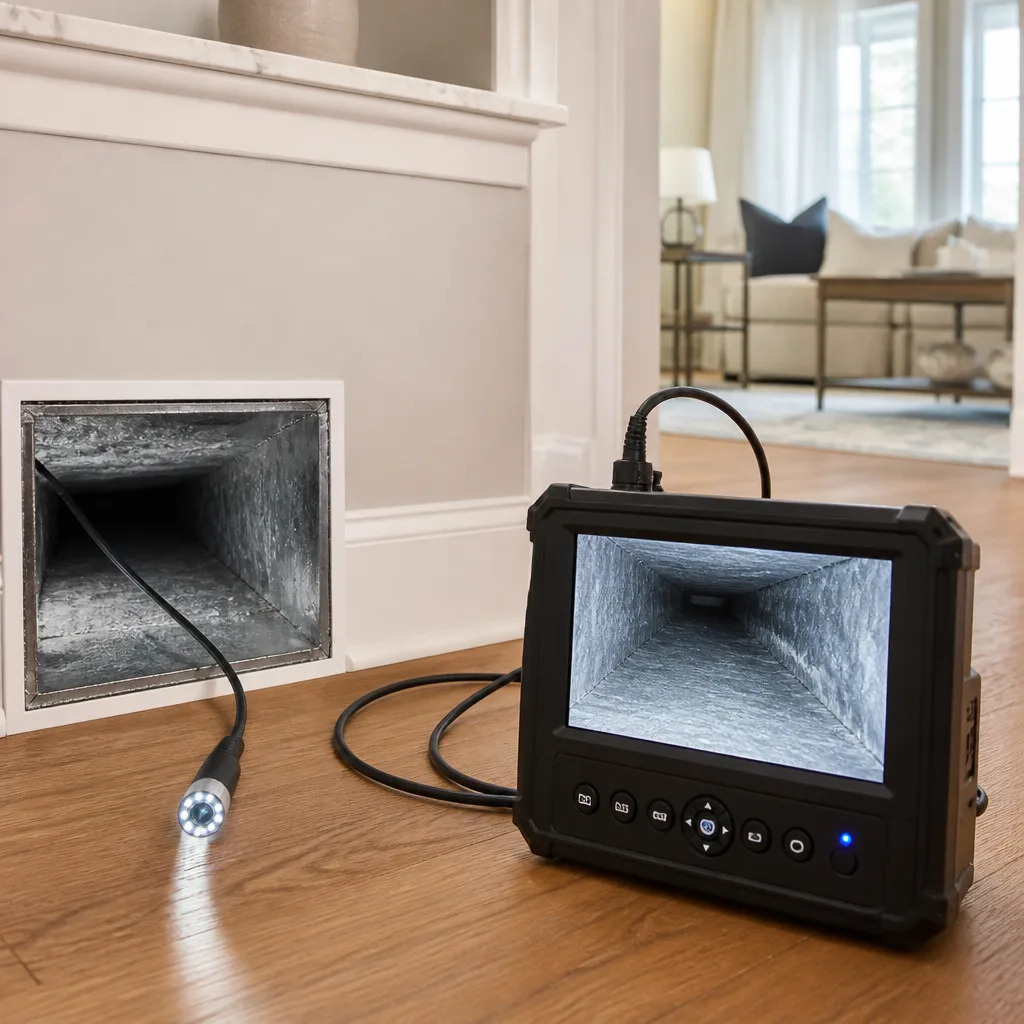 Camera inspection
 Sanitizing & deodorizing
Whole-system duct and dryer vent check with before-and-after photos - you see exactly what came out of your vents
That "$99 whole-house special" is a bait ad - the real number appears once they are in your hallway, or the "clean" is a shop-vac at the register. We photograph the inside of your ducts before and after instead.
Choosing the Right Air Duct Cleaning Brand: A Buyer’s Guide for Goodyear
Most homeowners shopping for duct cleaning compare the wrong things. They count reviews, ask how long a company has been around, and pick the middle quote. Here’s the counterintuitive point: the single most revealing question you can ask a duct cleaning company in Goodyear has nothing to do with any of that. It’s what equipment they’ll actually roll into your driveway. The machines do the work, and the machines set a hard ceiling on what any crew can accomplish inside your ductwork. A company can talk all day about thoroughness, but the tool on the ground tells the truth. In this guide, we’ll show you how to read that signal and use it to filter contractors before you ever compare prices.
Quick Answer
The right air duct cleaning brand for a Goodyear home is one that uses professional restoration-grade equipment, not consumer shop-vacs. Look for contact-vacuum and negative-air systems from manufacturers like Rotobrush and Nikro, and equipment capable of HEPA exhaust filtration. If a contractor can show you the actual machines and their specs before work begins, you have a reliable filter for the rest of your decision.
Styles & brands we work with
- Whole-home duct cleaning
- Dryer vent cleaning
- Camera inspection
- Sanitizing & deodorizing
Table of Contents
- Why Equipment Brand Tells You More Than Reviews Do
- What Rotobrush Systems Do That Brush-and-Vacuum Rigs Cannot
- Nikro and Negative Air: Why HEPA Filtration Matters Indoors
- Abatement Technologies and Remediation-Grade Capability
- How to Verify Equipment Before Work Begins
- Using Equipment as a First-Pass Contractor Filter
- What Goodyear Homes Actually Deal With
- Questions to Ask Every Contractor
Why Equipment Brand Tells You More Than Reviews Do
Years in business, star ratings, and review counts all measure the same thing: how a company interacts with customers. None of them measure what happens inside a six-inch duct run where no one is watching. Equipment does. A machine either has the airflow, the agitation, and the containment to do the job, or it doesn’t. That’s a physical fact you can verify, not a reputation you have to trust.
Think about what a duct cleaning job really requires. You need to break contaminant loose from duct walls that may be coated in years of settled dust, pet dander, and construction residue. Then you need to pull that debris out and keep it contained so it doesn’t settle into the next room. Then you need to protect the living space while you’re doing it. Consumer-grade vacuums fail somewhere in that sequence. Often they fail at the first step, because a shop-vac with a brush attachment doesn’t move enough air to actually clean a duct wall.
This is why we treat equipment brand as the first question, not the last. When a Goodyear homeowner asks us what we use, the names Rotobrush, Nikro, and Abatement Technologies don’t just sound technical. They point to a specific tier of machinery designed for commercial and remediation work. That tier matters because, as we cover below, the contamination problems inside a house don’t get smaller just because the building is smaller.
There’s a reason we built our service around these machines. The gap between professional equipment and consumer tools is wide enough to change the outcome of a job. That’s the core of how we approach air duct cleaning in this market.
What Rotobrush Systems Do That Brush-and-Vacuum Rigs Cannot
Rotobrush systems are built around a principle that sounds obvious until you watch cheaper setups fail at it: agitate and extract at the same time. A Rotobrush head uses rotating brushes to loosen debris from the duct wall while a high-volume vacuum pulls that debris out through the same hose, in the same pass. The two actions happen together inside the duct run.
Why does simultaneity matter? Because loose debris is mobile. If you agitate a duct with a brush and don’t extract at the same moment, dust that’s been sitting in place for years goes airborne inside the duct system. Airflow carries it. It moves down the line, settles in a different section of ductwork, or gets pulled toward a supply register and pushed into the room. You’ve moved the problem, not solved it. Standard brush-and-vacuum rigs run into this constantly because agitation and extraction are separated by time and distance.
A proper Rotobrush run keeps the debris in the airflow column from the moment it’s disturbed. That prevents redistribution, which is the most common failure we hear about when homeowners describe a previous cleaning that made things worse before it got better.
Here’s what to check on a Rotobrush setup:
- Ask to see the contact-vacuum unit itself, not just the brand name on the invoice.
- Confirm the machine is set up to run agitation and extraction as one pass.
- Ask whether the unit can pull vacuum through the full run of the system, not just the trunk line.
- Look for the spec sheet. It states airflow and filtration, which are the numbers that actually predict performance.
If a company can walk you through those four points without hesitation, you’re talking to a crew that knows its equipment. If the answers are vague, that’s information too. We see a lot of Goodyear jobs where the difference between a real Rotobrush setup and a shop-vac with a brush is the entire reason the homeowner called us in the first place.
Nikro and Negative Air: Why HEPA Filtration Matters Indoors
Nikro’s role in professional duct cleaning is containment, and containment is the part homeowners underestimate. When a collection unit runs inside your home, it’s pulling air and debris into a collection chamber. The critical question is what happens to the air that comes back out. Without HEPA exhaust filtration, fine particulate passes straight through the machine and back into the room where you live. You paid for a cleaning and got an indoor dust cloud.
Nikro systems are built around negative air and HEPA-contained collection. Negative air means the unit maintains a pressure differential that keeps contaminated air moving toward the machine rather than away from it. HEPA exhaust filtration means the air that leaves the unit is filtered of fine particulate before it re-enters your living space. Both matter, and they matter more in a house than in an empty commercial space, because in a house there are people, pets, and furniture inches away from the equipment.
Consider a typical Goodyear home with a family and a couple of dogs. Dander, fine dust, and loose fibers are the main loads in the system, and they’re exactly the particle sizes that slip through cheap filtration. A HEPA-contained unit captures them at the point of collection instead of redistributing them across the room.
When you’re evaluating a contractor, ask directly: does the vacuum unit exhaust through HEPA filtration? Then ask to see the filter housing. A machine set up for real containment has visible HEPA filtration with a spec rating, not a foam pad. This single question separates serious equipment from equipment that merely has a professional-sounding name.
Abatement Technologies and Remediation-Grade Capability
Abatement Technologies equipment comes out of commercial remediation work, which is a different job than everyday dust removal. Remediation crews work around mold spores, heavy allergen loads, and post-renovation particulate that requires airflow control and filtration beyond what ordinary cleaning gear provides. The reason this pedigree matters for a Goodyear homeowner is that the contamination problems inside residential ductwork don’t scale down just because the building is smaller.
A duct system in an Arizona home that has just been through a renovation carries drywall dust and construction particulate. A home that has had a roof repair or storm damage brings in fine debris and sometimes moisture. A light-commercial space with a heavy allergen load needs containment while it’s being cleaned. These are contamination-level situations, and contamination-level situations need equipment rated for them.
Abatement Technologies gear lets a crew handle those jobs instead of declining them or improvising. We treat it as over-prepared for a typical residential cleaning, and that’s deliberate. When a normal job is well within a machine’s capacity, the margin translates into a more thorough cleaning with less risk of the work redistributing debris. And when a job turns out to be more than routine, the capability is already on hand.
What this means for your evaluation: ask whether the contractor has equipment suited to mold spores, heavy allergens, or post-construction particulate. If they only have basic cleaning equipment, they can clean a routine system but may not be able to handle what your ducts actually contain once the work starts.
How to Verify Equipment Before Work Begins
Verification is a conversation, and it takes about five minutes. You don’t need technical training to run it. You need to ask the right questions and pay attention to whether the answers are immediate and specific. Here’s a sequence that works:
- Ask for the equipment nameplate. Every professional unit has a manufacturer plate showing make, model, and key specs. Ask to see a photo or the plate itself. A company that uses professional equipment can produce this in seconds.
- Ask for the spec sheet. The spec sheet states airflow, filtration rating, and collection capacity. Those are the numbers that determine capability. Listen for HEPA filtration and high airflow, not vague terms.
- Ask how agitation and extraction work together. The right answer involves simultaneous action inside the duct run. The wrong answer involves a separate brush and a separate vacuum.
- Ask about containment. Does the unit maintain negative air? Does it exhaust through HEPA? Where does the filtered air go?
- Ask about scope beyond routine dust. Can the contractor handle mold spores, heavy allergens, or post-construction particulate in-house?
- Ask for before-and-after documentation. Photos of your own ducts, taken before and after the work, tell you what was actually cleaned.
We encourage this. When our technicians show up in Goodyear, the equipment is there to be inspected, because we’d rather answer six questions at the start than a complaint at the end. If a contractor resists showing you their machines or can’t describe how they work, that resistance is your answer.
Using Equipment as a First-Pass Contractor Filter
Years in business, review count, and price are all lagging signals. They tell you about a company’s history, not its capability. Worse, they’re noisy. A newer company with excellent equipment can have fewer reviews than an established company using entry-level gear. The cheapest quote often reflects the cheapest tool. Using price as your first filter is how homeowners end up paying twice, once for a cleaning that didn’t accomplish much and again for a company that can actually do the work.
Equipment is different. It’s a physical fact at the job site, and it’s hard to fake. That makes it the most reliable first-pass filter available to a homeowner who knows none of the contractors on their list. Screen on equipment, then move to reputation and price as secondary factors among the qualified companies.
Here’s how we’d rank the signals:
- Equipment tier – highest signal. Professional restoration-grade machines from Rotobrush, Nikro, or Abatement Technologies with HEPA filtration. Verify it.
- Service scope – high signal. The ability to find a problem, fix the ductwork causing it, and address related hazards without sending you to a second contractor. Our Duct Cleaning Goodyear approach is built around that single-company scope.
- Documentation – high signal. Before-and-after photos of your own system, and a clear explanation of what was found.
- Reviews and tenure – medium signal. Useful corroboration, not a substitute for verifying capability.
- Price – lowest signal on its own. Meaningful only after the other four have been checked.
A company that passes the equipment check has cleared the hardest hurdle. From there, reputation and price help you choose among qualified options rather than guess which unqualified one is least risky.
What Goodyear Homes Actually Deal With
Goodyear sits in the West Valley, and the local climate shapes what ends up in your ductwork. Airborne dust is a constant here, and a house that runs its HVAC heavily through the long hot season pulls a lot of that dust through the return side. That means filters load faster and duct surfaces collect more fine material than they would in a wetter climate. Pet owners and households with allergy sufferers notice this first, because the particles that bother people most are the fine ones that settle on duct walls and re-enter the air stream.
Newer construction adds another layer. Goodyear has a lot of newer neighborhoods, and new homes bring construction particulate, drywall dust, and sometimes residual debris from the build. That’s a post-construction load, and it’s exactly the kind of contamination that calls for equipment with a containment capability rather than a routine vacuum. It’s also why we’re familiar with how Goodyear HVAC systems are laid out in homes across the city.
Combine the dust load with the construction residue and you get a system that can accumulate more than a homeowner expects, even in a house that isn’t old. That’s the practical case for evaluating contractors on capability rather than assuming a routine cleaning is routine. If you want the local overview, our guide to Duct Cleaning Goodyear covers how the market here works.
Dryer vents deserve a mention in this same conversation. Lint buildup in a dryer vent is a documented residential fire hazard, and a lot of duct cleaning companies don’t offer vent service at all. A contractor who can clean ducts, clear a dryer vent, and repair ductwork that’s losing air is handling the full scope in one visit. That’s a genuinely different offer than duct cleaning alone.
Questions to Ask Every Contractor
Bring this list to your calls. A capable contractor will answer all of them quickly. Write down the answers so you can compare side by side.
- What equipment will you use, and what brand? Listen for Rotobrush, Nikro, or Abatement Technologies, and ask to see the nameplate.
- Does your vacuum exhaust through HEPA filtration? This determines whether your home is protected during the job.
- How do you prevent debris from redistributing during cleaning? The answer should describe simultaneous agitation and extraction.
- Can you show before-and-after photos of my own ducts? Documentation is the proof that the work was done.
- Can you repair ductwork you find leaking or disconnected? Repair capability means you don’t hire a second contractor mid-project.
- Do you clean dryer vents as well? It’s a safety service most companies skip.
- What does the written estimate cover, and is the price per system? A flat price per system, agreed before work starts, is the honest structure.
We’ve written a companion piece on dryer vent cleaning for homeowners who want the full picture on that safety angle. And if you’re managing a rental property, these questions work as a screening checklist for property managers evaluating a contractor on behalf of tenants.
Common Mistakes to Avoid
- Choosing the cheapest quote first. The lowest price is frequently a signal of consumer-grade equipment. It often means paying twice once the first cleaning doesn’t do the job.
- Trusting a brand name without verifying it. Some contractors name-drop a professional brand and then show up with generic gear. Ask to see the nameplate and the spec sheet.
- Assuming a newer Goodyear home doesn’t need attention. Construction particulate and heavy West Valley dust load new systems faster than homeowners expect.
- Skipping the HEPA question. A machine without HEPA exhaust moves dust around your home instead of removing it. It’s the single question that protects your living space.
- Not asking about repair capability. A cracked or disconnected duct that’s found and not fixed means the cleaning you paid for doesn’t deliver.
- Overlooking the dryer vent. Lint buildup is a documented fire hazard and most duct cleaning companies don’t offer the service at all. Ask.
- Using tenure or review count as your primary filter. Those measure customer experience, not capability. Screen on equipment, then weigh reputation.
See the difference
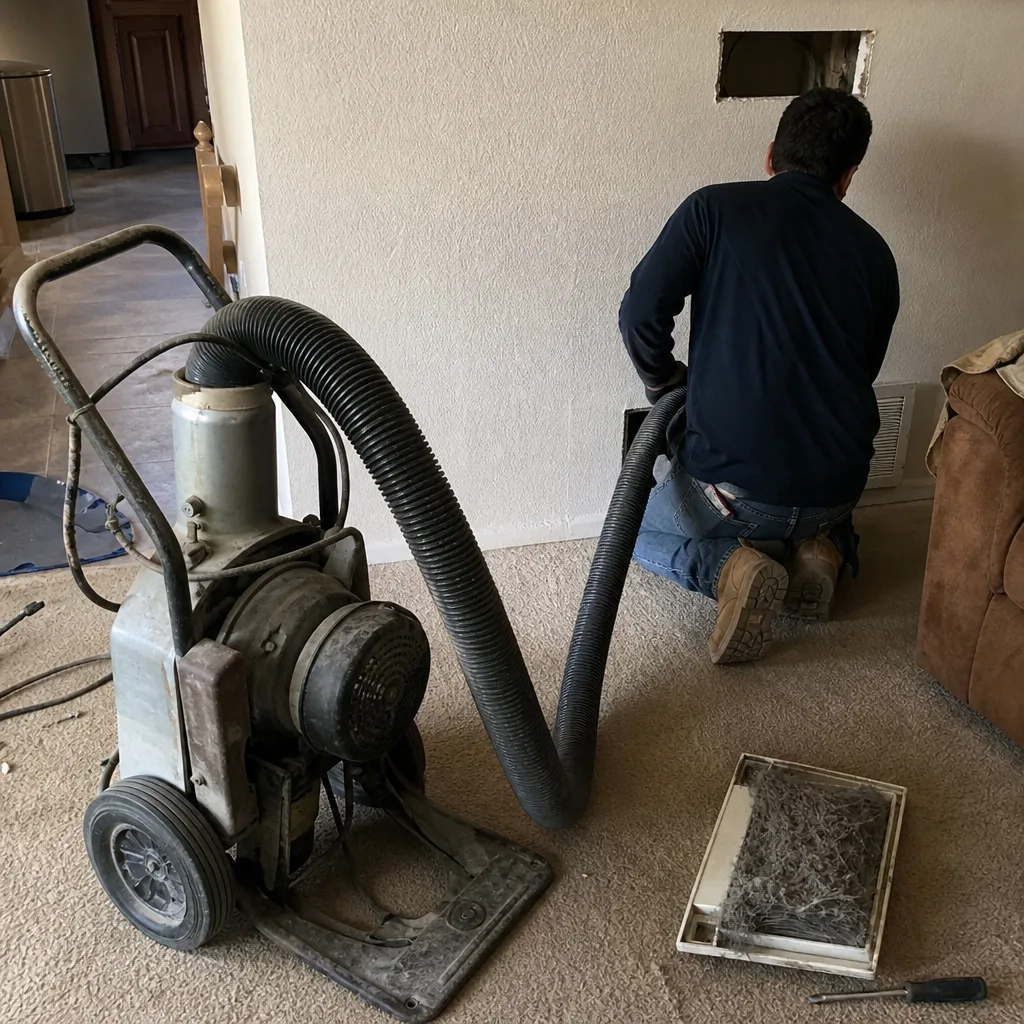 Before
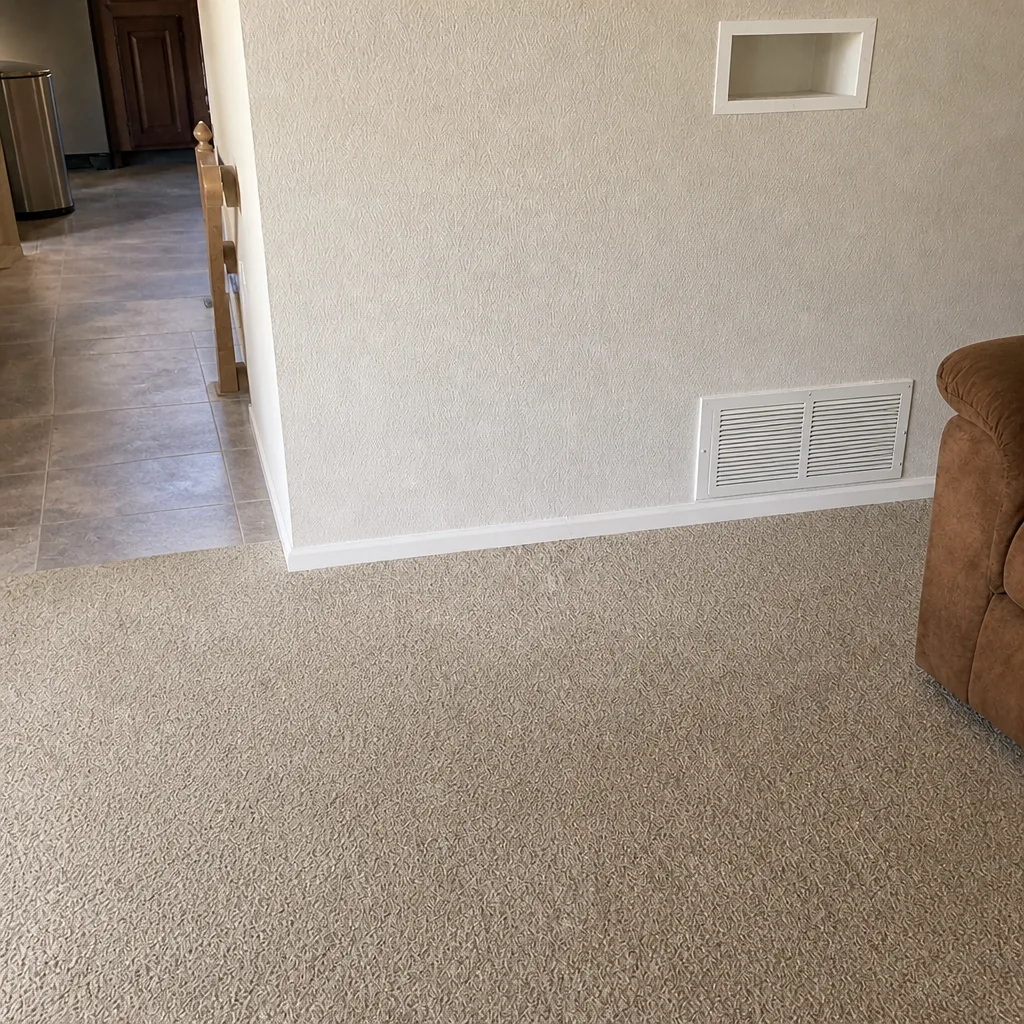 After
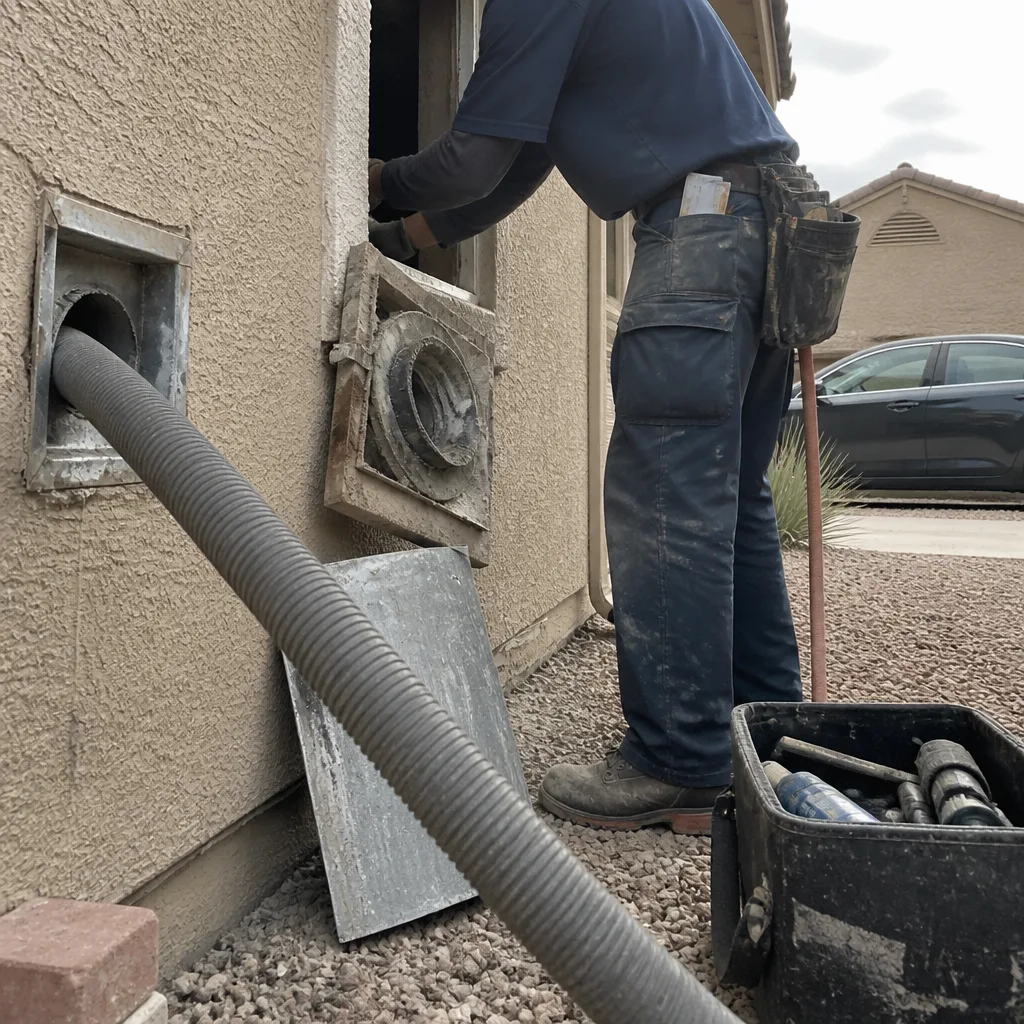 Before
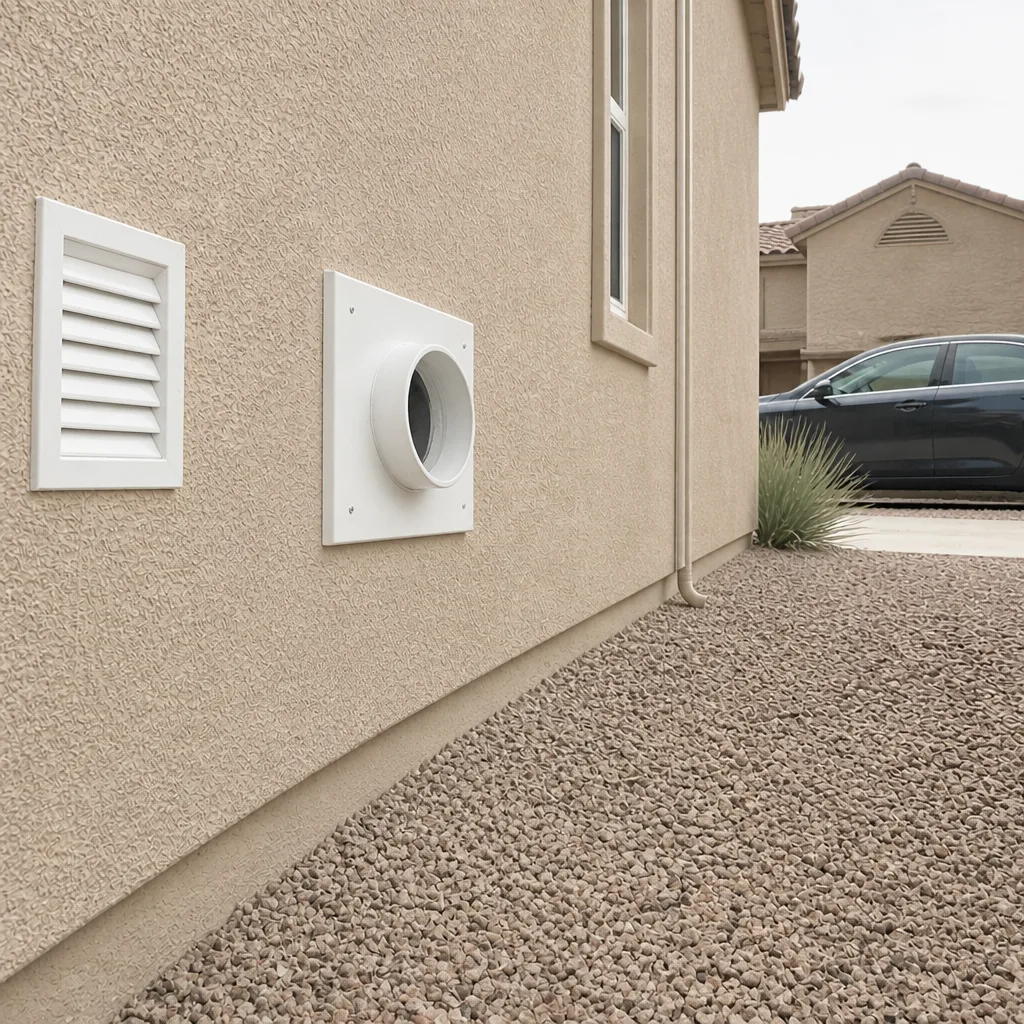 After
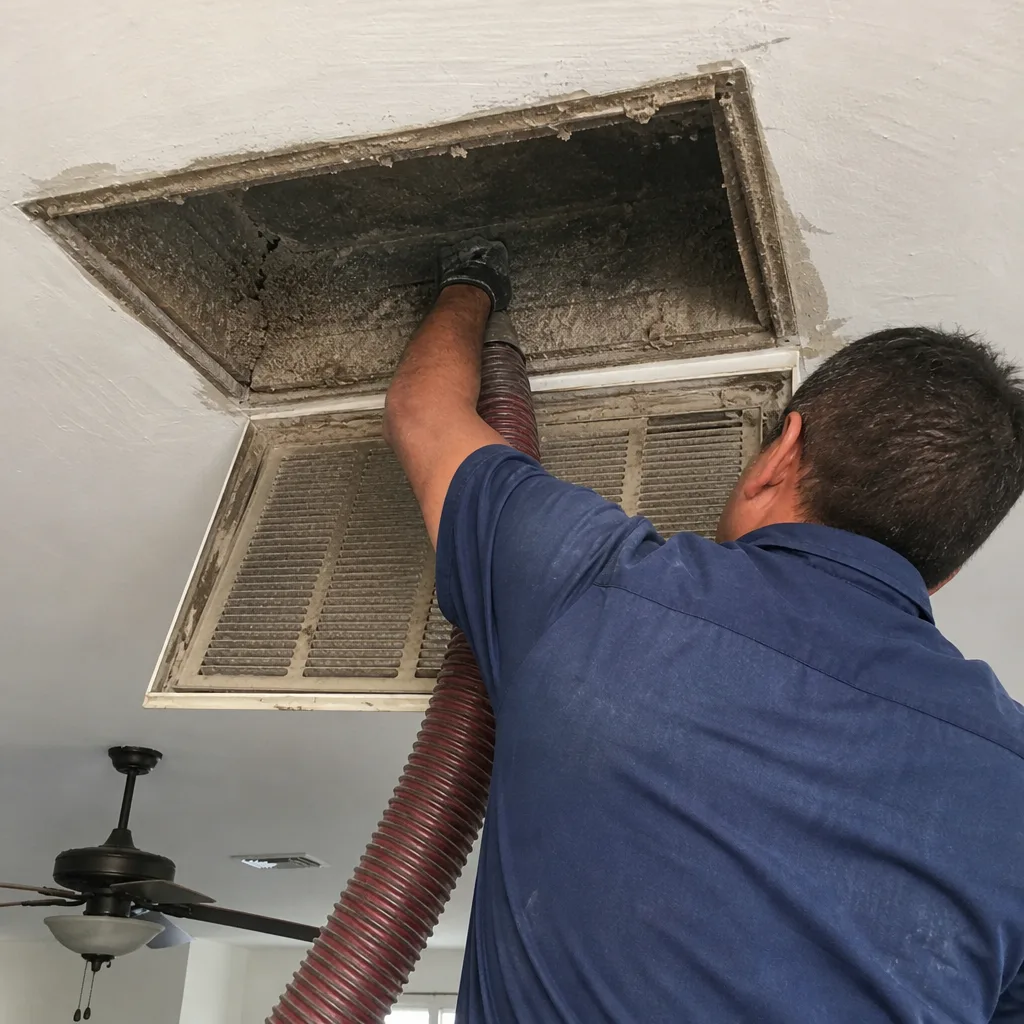 Before
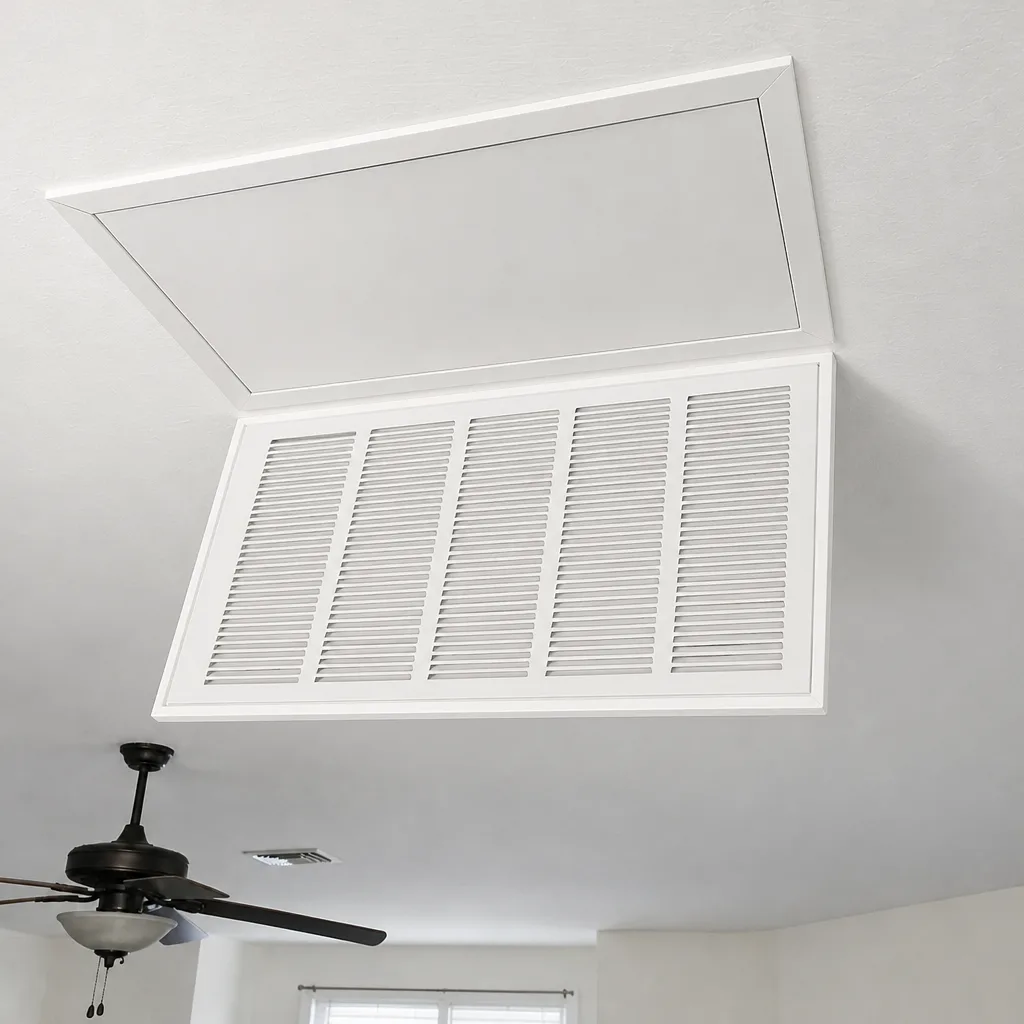 After
When to Call a Professional
Call a professional when you can see visible dust discharging from supply registers after the HVAC runs, when allergy or asthma symptoms get noticeably worse indoors, or when a new home or a recent renovation has left construction particulate in the system. Pet households and anyone with allergy sufferers should treat a heavy dust load as a reason to get an assessment rather than wait. If you’ve had a prior cleaning that seemed to stir up dust instead of removing it, that’s a strong reason to have the work re-evaluated with proper equipment. Disconnected or leaking ductwork and a dryer vent that hasn’t been cleaned are also jobs for a trained technician, not a homeowner with a shop-vac. Duct Cleaning Goodyear offers free estimates in Goodyear, and our technicians have up to 13 years of experience. Call (844) 287-2528.
Frequently Asked Questions
Look for professional restoration-grade equipment such as Rotobrush contact-vacuum systems and Nikro negative-air units with HEPA exhaust filtration. Abatement Technologies equipment signals the capability to handle contamination-level jobs like mold spores and post-construction particulate. These are the machines that correspond to real capability inside your ducts.
HEPA filtration keeps your living space protected while the collection unit operates inside your home. Without it, fine particulate passes through the machine and back into the room, so the cleaning redistributes dust instead of removing it. It’s the single most important safety question to ask before work begins.
No, a shop-vac doesn’t have the airflow or containment to clean a residential duct system. Consumer vacuums can’t move enough air to dislodge settled debris from duct walls, and they lack HEPA exhaust filtration. They’re the main reason some cleanings make the air quality worse before it gets better.
Ask to see the equipment nameplate and the spec sheet before work begins. Ask how the machine agitates and extracts in one pass, whether it maintains negative air, and whether it exhausts through HEPA filtration. A capable contractor will answer immediately and show you the machine. Vague answers are a warning sign.
Yes, newer Goodyear homes commonly carry construction particulate and drywall dust in their ductwork. That’s a different problem than household dust, and it calls for equipment with containment capability rather than a routine vacuum. Ask the contractor how they handle post-construction loads.
A focused contractor can handle all three. Duct Cleaning Goodyear offers three services: air duct cleaning, dryer vent cleaning, and air duct repair. That means one company can find a problem, fix the ductwork causing it, and address the dryer hazard without sending you to a second contractor.
The Bottom Line
The brand on the equipment tells you more about a duct cleaning company than its reviews, its tenure, or its price. Rotobrush and Nikro machines create simultaneous agitation and extraction with HEPA-contained negative air, and Abatement Technologies gear means the contractor can handle contamination-level work if your ducts require it. Use that as your first-pass filter when comparing contractors in Goodyear. Verify the nameplate and the spec sheet, ask the HEPA question, and confirm repair and dryer vent capability. Then weigh reputation and price among the companies that pass. It’s a five-minute conversation that tells you more than an hour of review reading. And if you’d like us to walk you through our equipment, we’re glad to do it.
Duct Cleaning Goodyear connects homeowners and property managers with independent local professionals who use professional-grade Rotobrush, Nikro, and Abatement Technologies equipment for air duct cleaning, dryer vent cleaning, and air duct repair. Every price is set per system by a free written estimate, agreed before work starts, and we’re familiar with Honeywell and Aprilaire filtration systems, plus Guardsman surface protection standards. Our technicians have up to 13 years of experience. Call (844) 287-2528 for a free estimate. We answer 24/7. Fast dispatch from 7am to 7pm, Sunday through Friday.
Written by the team at Duct Cleaning Goodyear.